System Integration Solutions for Oil & Gas and Petrochemical Industries
In the increasingly complex environments of the oil and gas, petrochemical, energy, and process industries, System Integration plays a vital role in connecting technologies, equipment, software, and operational processes into a coordinated industrial framework. Modern facilities depend on multiple interconnected systems to manage production, monitor equipment, control processes, exchange operational data, and maintain reliable performance.
When these systems operate independently, companies may encounter communication gaps, duplicated data, inefficient workflows, and limited operational visibility. Effective industrial system integration helps address these challenges by improving interoperability, streamlining information exchange, and enabling better coordination between different technologies and operational functions.

At Phakarin Group, we provide engineering, procurement, technical consulting, and system integration support for industrial applications. Our approach focuses on connecting compatible equipment, instrumentation, control systems, and related technologies according to each project’s technical specifications and operational requirements.
Established in 1992, Phakarin Group has developed an international business network connecting manufacturers, suppliers, and industrial customers across Eastern and Western markets. With operations in Turkey, Thailand, and West Africa, together with our worldwide partners, we support customers seeking integrated industrial solutions for demanding operational environments.
Our System Integration Solutions are designed to support industrial connectivity, process coordination, equipment interoperability, and more efficient information exchange across oil and gas facilities, petrochemical plants, and other process industries.
The Importance of System Integration in Industrial Operations
System Integration involves connecting different hardware, software, instrumentation, communication networks, and operational technologies so that they can exchange information and function within a coordinated environment.
In the oil and gas and petrochemical industries, production facilities often rely on multiple systems operating across different stages of the industrial process. These may include process control platforms, supervisory monitoring systems, industrial instrumentation, equipment management applications, and enterprise-level software.
Without appropriate integration, information may remain distributed across disconnected platforms, making it difficult for operators and decision-makers to obtain a consistent view of operational performance.
Effective industrial system integration can help companies:
- Improve communication between industrial systems.
- Increase visibility across operations and equipment.
- Reduce data duplication and disconnected workflows.
- Support real-time monitoring and process coordination.
- Improve access to operational information.
- Simplify the management of interconnected technologies.
- Support maintenance planning and performance analysis.
- Improve the coordination of engineering and operational activities.
System integration is particularly valuable in large-scale industrial projects, where multiple equipment manufacturers, control technologies, and software platforms must work together.

Phakarin Group supports customers in identifying compatible equipment and coordinating integration-related requirements according to project specifications. By taking a structured approach to industrial technology and equipment sourcing, we help customers address the technical challenges associated with connecting complex systems.
Phakarin Group’s System Integration Expertise
With more than three decades of international business experience, Phakarin Group combines engineering knowledge, procurement capabilities, technical consulting, and global sourcing to support industrial system integration requirements.
Our approach focuses on understanding the existing infrastructure, identifying the required interfaces, and coordinating suitable equipment and technologies for each application.
Depending on the project scope, our System Integration Solutions can support requirements involving:
- Industrial control systems
- Supervisory Control and Data Acquisition (SCADA)
- Distributed Control Systems (DCS)
- Programmable Logic Controllers (PLC)
- Process instrumentation
- Industrial automation equipment
- Monitoring and communication systems
- Electrical and control components
- Equipment interfaces
- Operational data exchange
- Industrial software connectivity
- System upgrades and modernization
Each industrial environment has different technical requirements. Successful integration depends on equipment compatibility, communication protocols, system architecture, operating conditions, cybersecurity considerations, and the specific objectives of the project.
Phakarin Group works with customers and international suppliers to identify appropriate equipment and sourcing options for these requirements.
By combining procurement and engineering coordination, we help customers manage the different technical and commercial considerations involved in industrial integration projects.
Industrial Control Systems Integration
Control systems integration is an important part of industrial system integration because it enables different control platforms, field devices, and process equipment to operate within a coordinated environment.
Industrial facilities may use multiple controllers, instrumentation platforms, operator interfaces, and monitoring systems. Integrating these technologies requires careful consideration of communication interfaces, control requirements, system compatibility, and operational constraints.
Phakarin Group supports control system integration requirements through automation equipment sourcing, instrumentation procurement, and technical coordination.
Our capabilities can support applications involving:
- PLC-based equipment control
- DCS process control environments
- SCADA monitoring systems
- Industrial controllers
- Field instrumentation
- Control panels and components
- Communication interfaces
- Monitoring and operator interfaces
- Control valves and actuation
- Replacement and upgrade components
The selection of suitable equipment depends on the facility’s control architecture, process requirements, installed technologies, and the scope of the integration project.
By helping customers identify compatible industrial products and coordinate technical specifications, Phakarin supports the development and upgrade of integrated control environments.
SCADA, DCS, and PLC System Integration
Different industrial control technologies perform different functions. Understanding their roles is essential when planning a system integration project.
SCADA System Integration
Supervisory Control and Data Acquisition (SCADA) systems are commonly used to monitor and supervise industrial equipment and geographically distributed assets.
In oil and gas operations, SCADA can support pipeline monitoring, remote pumping stations, production facilities, and other distributed infrastructure.
SCADA integration may involve connecting field instruments, remote terminal units, controllers, communication networks, and supervisory software to provide operators with a consolidated view of system conditions.
Phakarin Group supports related sourcing and technical coordination requirements by helping customers identify suitable instrumentation, monitoring equipment, and industrial components.
Distributed Control Systems (DCS)
Distributed Control Systems are widely used in process-intensive environments such as refineries, petrochemical plants, chemical facilities, and power generation installations.
A DCS coordinates process monitoring and control across interconnected equipment and industrial operations.
DCS integration requirements may include controllers, operator stations, process instrumentation, communication interfaces, and supporting control components.

Phakarin helps customers source products and coordinate equipment requirements according to existing system architecture, technical specifications, and the intended operational application.
Programmable Logic Controllers (PLC)
Programmable Logic Controllers are commonly used to control industrial machinery, equipment sequences, interlocks, and individual production processes.
PLC-based systems may need to exchange information with supervisory systems, operator interfaces, other controllers, and equipment monitoring platforms.
System integration therefore requires attention to communication protocols, control requirements, equipment interfaces, and the intended division of responsibilities between connected systems.
By supporting industrial automation sourcing and technical coordination, Phakarin Group helps customers address PLC-related requirements within broader integration projects.
System Integration for Oil and Gas Operations
The oil and gas industry relies on interconnected technologies throughout exploration, production, transportation, processing, and refining. Reliable communication between equipment and control systems is essential for maintaining operational visibility and coordinating complex industrial processes.
Phakarin Group supports oil and gas system integration requirements through industrial equipment sourcing, instrumentation, automation components, procurement, and integration-related coordination.
Our capabilities can support applications involving:
- Upstream production systems
- Drilling-related monitoring equipment
- Pipeline monitoring and control
- Pumping and compression systems
- Gas processing facilities
- Refinery control systems
- Process instrumentation
- Industrial communication interfaces
- Equipment monitoring systems
- Operational data collection
In upstream operations, system integration may connect instrumentation, equipment monitoring, and production control systems. Midstream infrastructure may require communication between remote facilities, pipelines, pumping stations, and supervisory platforms. Downstream facilities often depend on coordinated process control, instrumentation, and monitoring across multiple production units.
Each application requires an integration strategy appropriate to its equipment, operating environment, and technical architecture.
Phakarin Group helps customers identify equipment and sourcing options that support these requirements, enabling a more coordinated approach to industrial technology procurement and integration.
System Integration for Petrochemical and Process Industries
Petrochemical plants involve interconnected production systems, process equipment, instrumentation, and control technologies. These systems must exchange relevant information to support reliable process operation and maintain consistent production conditions.
System Integration Solutions can help petrochemical facilities connect different technologies and improve the flow of operational information between process equipment and monitoring platforms.
Phakarin Group supports integration-related requirements through industrial instrumentation, control equipment sourcing, procurement, and engineering coordination.
Our capabilities can support applications involving:
- Chemical process monitoring
- Process instrumentation
- Distributed control systems
- PLC-based equipment control
- SCADA monitoring
- Industrial communication components
- Control valves and actuation
- Process equipment interfaces
- Equipment status monitoring
- Industrial automation components
For example, integrating process instrumentation with control systems can help operators access measurement data from different equipment and use it to monitor process conditions.
Connecting compatible monitoring systems can also improve visibility across production activities, helping engineering and operations teams identify equipment status and relevant process information more efficiently.
Successful implementation requires appropriate system design, technical compatibility, and validation. Phakarin Group supports customers by coordinating equipment and sourcing requirements according to project specifications and operating needs.
Improving Operational Efficiency Through System Integration
One of the key benefits of System Integration is the ability to improve coordination between industrial equipment, control systems, and operational data platforms.
When systems communicate effectively, operators and engineering teams can access more consistent information about equipment status, process conditions, and operational performance.
This can support better-informed decisions and help organizations identify opportunities to improve the way their facilities operate.
Industrial system integration can contribute to:
- Improved operational visibility
- More efficient data exchange
- Better coordination between equipment
- Reduced manual data handling
- More consistent operational reporting
- Improved process monitoring
- Faster identification of certain operating abnormalities
- Better coordination between engineering and operations
For example, connecting compatible equipment monitoring systems with an operational dashboard can help personnel view relevant equipment information from a centralized interface.
Similarly, integrating production data from multiple systems may help industrial teams compare operating conditions and identify potential inefficiencies for further investigation.
The benefits depend on the quality of the integration, the relevance of the information collected, and how effectively the resulting data is used.
Phakarin Group supports customers in sourcing compatible equipment and coordinating integration-related requirements to help address these operational objectives.

Data Integration and Industrial Connectivity
Industrial facilities generate information from instrumentation, controllers, monitoring platforms, maintenance applications, and production systems. However, this information may be distributed across different technologies and databases.
Data integration focuses on making relevant information available across connected systems in a consistent and useful way.
In industrial environments, data integration can support operational reporting, equipment monitoring, performance analysis, maintenance planning, and decision-making.
Phakarin Group supports the equipment and technical sourcing requirements associated with industrial connectivity and data exchange.
Depending on the project architecture, integration requirements may involve:
- Connecting instrumentation to control platforms
- Transferring process data between compatible systems
- Integrating equipment monitoring interfaces
- Coordinating industrial communication components
- Supporting operational data collection
- Connecting selected control and supervisory systems
- Sourcing compatible hardware and interface components
Successful data integration requires careful consideration of data formats, communication protocols, system interfaces, access permissions, and cybersecurity.
By coordinating equipment requirements and technical specifications, Phakarin helps customers identify suitable products for projects involving connected industrial systems.
System Integration for Predictive Maintenance
Industrial equipment reliability depends on effective monitoring, maintenance planning, and access to suitable replacement components.
System integration can support these activities by making relevant equipment data available across monitoring and maintenance platforms.
When compatible systems exchange equipment status, operating measurements, and historical information, maintenance teams may gain better visibility into asset condition and recurring performance issues.
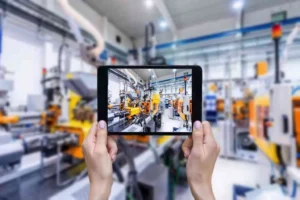
Phakarin Group supports these requirements through industrial instrumentation sourcing, monitoring equipment, automation components, and procurement coordination.
System integration can support predictive maintenance initiatives by enabling:
- Access to equipment operating data
- Monitoring of selected process parameters
- Collection of equipment status information
- Integration of compatible monitoring platforms
- Coordination of operational and maintenance information
- Improved visibility into equipment performance trends
For example, combining equipment monitoring data with historical maintenance records may help maintenance teams investigate recurring issues or identify assets that require further inspection.
More advanced predictive maintenance applications may use analytics or machine learning, depending on available data and system capabilities.
It is important to distinguish between providing integrated equipment and data connectivity and delivering a complete predictive maintenance platform. The actual scope depends on the project’s technical design and agreed services.
Safety, Reliability, and Cybersecurity in System Integration
Safety and cybersecurity are essential considerations when connecting industrial technologies, particularly in oil and gas, petrochemical, and other process industries.
Integrating multiple control systems and communication networks can improve operational visibility, but it also requires careful management of system interfaces, access rights, reliability, and potential security risks.
Phakarin Group supports system integration-related sourcing and technical coordination with consideration for customer specifications and relevant project requirements.
Important considerations for industrial integration projects include:
- Compatibility between connected systems
- Clear separation of control responsibilities
- Reliable communication interfaces
- Appropriate access controls
- Network segmentation where required
- System configuration and documentation
- Protection of critical operational technology
- Testing and validation of integrated functions
- Compliance with applicable technical and safety requirements
For hazardous industrial environments, safety-related control and shutdown systems require particular attention. Their design and implementation should follow appropriate hazard assessments, safety requirements, and applicable standards.
Cybersecurity should also be addressed throughout the system lifecycle, including system design, configuration, access management, maintenance, and upgrades.
System integration alone does not guarantee safety or regulatory compliance. These outcomes depend on appropriate engineering, implementation, testing, and ongoing operational management.
System Integration for Power Generation and Industrial Infrastructure
Power generation facilities and other industrial infrastructure depend on interconnected mechanical, electrical, instrumentation, and control systems.
These systems monitor equipment, manage operating conditions, and coordinate processes across different areas of a facility.
Phakarin Group supports integration-related requirements for power generation and industrial infrastructure through equipment sourcing, instrumentation, automation components, and procurement coordination.
Our capabilities can support applications involving:
- Power plant monitoring systems
- Industrial instrumentation
- Process control equipment
- Automation components
- Electrical and control interfaces
- Equipment status monitoring
- Water treatment systems
- Industrial communication products
- Plant upgrade components
In power generation applications, system integration may help coordinate data from turbines, auxiliary equipment, instrumentation, and relevant monitoring platforms, depending on the facility’s architecture.
In water and wastewater infrastructure, integration may connect pumps, valves, instrumentation, and supervisory monitoring systems to support more coordinated operation.
Each application requires a solution designed around its technical requirements, existing infrastructure, and operational objectives.
Phakarin Group helps customers source relevant equipment and coordinate technical requirements for these industrial projects.
Global Procurement and System Integration Support
System integration projects often require products from different manufacturers, each with specific technical requirements, communication interfaces, and documentation.
Coordinating these requirements can be challenging when a project involves multiple suppliers, specialized control components, international procurement, and tight delivery schedules.
Phakarin Group combines international sourcing and procurement capabilities with engineering-related coordination to support system integration projects.
Our services can support requirements involving:
- Supplier identification
- Automation and control equipment sourcing
- Instrumentation procurement
- Technical specification coordination
- Request for Quotation coordination
- Commercial evaluation
- Supplier communication
- Documentation coordination
- Equipment availability assessment
- Delivery and supply chain coordination
Our international network connects customers with manufacturers and suppliers across multiple markets, providing sourcing options for industrial integration requirements.
By considering technical compatibility and project specifications during sourcing, we help customers address the equipment and component requirements associated with connecting industrial systems.
This approach can support new installations, existing facility upgrades, control system modernization, and other industrial projects requiring coordinated equipment procurement.
System Upgrades, Modernization, and Scalability
Industrial facilities often operate equipment and control systems from different generations of technology. As production requirements change, existing infrastructure may need to be upgraded or expanded to improve monitoring, connectivity, or operational performance.
System integration and modernization can help organizations connect new equipment with compatible existing systems while addressing technical limitations and long-term operational requirements.
Phakarin Group supports equipment sourcing and technical coordination for system upgrade projects involving automation components, instrumentation, monitoring equipment, and industrial control technologies.
Our capabilities can support requirements involving:
- Replacement of obsolete components
- Integration of new equipment
- Control system upgrade components
- Instrumentation modernization
- Additional monitoring capabilities
- Communication interface requirements
- Equipment compatibility assessments
- Industrial system expansion
Before upgrading an existing system, organizations should assess the current architecture, equipment condition, communication requirements, cybersecurity risks, and expected lifecycle needs.
A carefully planned upgrade can help reduce integration challenges and support future expansion. However, the appropriate approach depends on the facility’s technical configuration and project objectives.
Phakarin Group helps customers coordinate sourcing requirements around these factors and identify industrial products suitable for their projects.
Why Choose Phakarin Group for System Integration Solutions?
With more than three decades of international business experience, Phakarin Group combines industrial market knowledge, engineering coordination, procurement capabilities, and global supplier relationships.
Our key strengths include:
Industrial Integration Support
Equipment sourcing and technical coordination for interconnected industrial systems, instrumentation, and control technologies.
Global Supplier Network
Access to international manufacturers and suppliers across multiple markets.
Control Systems and Instrumentation
Sourcing capabilities for PLC-related components, DCS and SCADA equipment, process instruments, and industrial control products.
Engineering and Procurement Coordination
Support for technical specifications, supplier identification, product sourcing, and delivery requirements.
Cross-Industry Experience
Solutions relevant to oil and gas, petrochemical, power generation, water treatment, and other process industries.
International Market Access
A business network connecting Eastern and Western markets through regional operations and global partners.
Customer-Focused Approach
Sourcing and technical support based on project specifications, existing infrastructure, operational needs, and commercial priorities.

Phakarin Group – Your System Integration Partner
As industrial operations become more interconnected, System Integration is increasingly important for improving communication between technologies, supporting operational visibility, and coordinating complex industrial processes.
Since 1992, Phakarin Group has developed an international business network and multidisciplinary capabilities supporting industrial customers through engineering coordination, procurement, consulting, and equipment sourcing.
Our System Integration Solutions support requirements involving industrial control systems, instrumentation, PLCs, DCS, SCADA, equipment interfaces, and related automation technologies.
From oil and gas production and pipeline infrastructure to petrochemical processing, power generation, and water treatment facilities, we help customers identify suitable equipment and sourcing options for their technical and operational requirements.
With more than three decades of experience and an international supplier network, Phakarin Group supports industrial companies seeking coordinated sourcing and integration-related solutions for new projects, plant upgrades, and existing infrastructure.
Our approach focuses on connecting customers with suitable technologies, manufacturers, and industrial products while considering system compatibility, project specifications, and long-term operational requirements.
From instrumentation and control systems to industrial data connectivity and equipment integration, Phakarin Group helps customers coordinate the technologies and sourcing capabilities required to support reliable industrial operations.

Looking for System Integration Solutions?
Whether you need industrial system integration, control system components, PLC equipment, DCS and SCADA-related products, process instrumentation, industrial communication interfaces, or procurement support, Phakarin Group can help identify sourcing options aligned with your project requirements.
Contact Phakarin Group to discuss your system integration project, control equipment requirements, plant upgrade, or industrial sourcing needs.