Reliable Installation Services for Oil, Gas & Petrochemical Projects
In the demanding oil, gas, and petrochemical industries, professional Installation is essential for equipment reliability, operational safety, and long-term performance. From industrial machinery and process equipment to instrumentation and control systems, every project requires careful planning, technical coordination, and compliance with relevant specifications.
Founded in 1992, Phakarin Group is an international business development corporation supporting industrial customers through procurement, engineering-related solutions, and project coordination. With an international network spanning Thailand, Turkey, West Africa, and partner markets worldwide, the company connects businesses with equipment, manufacturers, and technical resources needed to support complex industrial requirements.

Through a coordinated approach to industrial project execution, Phakarin helps customers address technical requirements, manage supply chain considerations, and establish a reliable foundation for their operations.
Why Professional Equipment Installation Matters
Industrial equipment setup involves more than positioning machinery or connecting individual components. installation requires detailed planning, technical expertise, and adherence to project specifications to ensure that systems operate as intended.
In oil, gas, and petrochemical facilities and installation, this work may involve pumps, compressors, pipelines, process equipment, instrumentation, and control systems. Incorrect assembly or poor equipment alignment can contribute to mechanical failures, unplanned downtime, safety risks, and additional maintenance costs.
A structured approach helps project teams identify potential issues before they affect operational performance. Key considerations include equipment compatibility, site conditions, connection requirements, and applicable safety procedures.
Professional execution can support:
- Improved equipment reliability and operational readiness.
- Greater alignment with technical specifications and project requirements.
- Reduced risk of defects, rework, and avoidable delays.
- Better coordination between suppliers, contractors, and engineering teams.
- A smoother transition from mechanical completion to testing and commissioning.
Addressing these factors early helps establish a more controlled and predictable project workflow.
Phakarin Group’s Expertise in Industrial Projects
Industrial projects frequently involve multiple suppliers, technical disciplines, and stakeholders. Coordinating these elements effectively is essential to maintaining quality and meeting project schedules.
Phakarin Group supports industrial customers by connecting their requirements with suitable equipment, manufacturers, procurement resources, and relevant technical partners. Its experience in industrial supply and engineering-related solutions provides a foundation for coordinating the equipment and resources required for demanding applications.
Depending on the project scope, these requirements may include pumps, compressors, mechanical machinery, process systems, instrumentation, and automation components.
Each application presents distinct technical considerations. Equipment specifications, operating conditions, material compatibility, site constraints, and manufacturer recommendations must be evaluated according to the intended use.
Collaboration with customers and qualified technical partners helps clarify project requirements and supports effective coordination throughout the execution process.
Improving Project Efficiency and Technical Precision
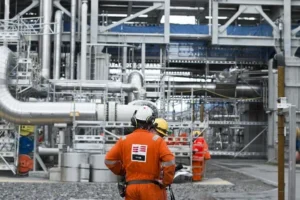
Efficient on-site execution depends on preparation, coordination, and attention to detail. Delays can occur when equipment arrives late, documentation is incomplete, site conditions are unsuitable, or work activities are poorly coordinated.
A structured project plan helps identify these challenges before they affect progress.
Planning and Technical Coordination
Before work begins, project teams should review equipment documentation, layout drawings, site readiness, access requirements, and work sequences. Identifying potential conflicts early can reduce rework and improve coordination between mechanical, electrical, and instrumentation teams.
Where appropriate, prefabrication and modular assembly can reduce the amount of work required at the project site. The suitability of these methods depends on equipment design, transportation constraints, site conditions, and contractual specifications.
Equipment Alignment and System Integration
Accurate positioning, alignment, fastening, and connection are important factors in mechanical work. Equipment must be positioned according to applicable tolerances and manufacturer instructions, while electrical, instrumentation, and control interfaces must satisfy their relevant technical requirements.
Effective system integration ensures that connected components can operate together as intended. Careful coordination between disciplines also helps identify interface issues before testing begins.
Inspection, Testing, and Commissioning
Quality verification should form an integral part of project execution. Depending on the equipment and application, inspections may include dimensional checks, shaft alignment verification, connection inspections, pressure or leak testing, and functional assessments.
Documenting results and resolving identified deficiencies before commissioning helps improve traceability and supports a controlled handover process.
These activities provide project stakeholders with a clearer understanding of equipment readiness and any outstanding technical requirements.
Maintaining Safety and Regulatory Compliance
Safety is fundamental to industrial work in oil, gas, and petrochemical facilities. Activities may take place in hazardous areas, operating plants, confined spaces, or environments involving heavy machinery, pressurized systems, and potentially dangerous substances.
A project-specific safety plan should identify hazards before work starts and remain in effect throughout execution.
Important measures may include:
- Conducting task-specific risk assessments and job safety analyses.
- Applying permit-to-work procedures where required.
- Providing appropriate personal protective equipment.
- Establishing lifting plans and equipment-handling procedures.
- Implementing isolation and lockout/tagout measures where applicable.
- Maintaining controlled work areas and effective communication.
- Completing required safety inspections and documentation.
All activities must also comply with applicable local regulations, contractual obligations, engineering specifications, and relevant international standards.
Depending on the equipment and application, standards issued by the American Society of Mechanical Engineers (ASME) and the International Organization for Standardization (ISO) may be relevant. Applicable requirements should be confirmed for each project rather than assumed to apply universally.
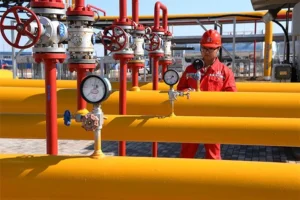
Integrating safety and compliance into project planning helps manage operational risks while protecting personnel, equipment, and facilities.
Supporting Sustainable Industrial Operations
Sustainability is increasingly important for industrial operators seeking to improve resource efficiency and reduce environmental impact. Decisions made during equipment selection, assembly, and system configuration can influence energy consumption, maintenance requirements, and the long-term performance of industrial assets.
Several practices can contribute to more sustainable outcomes.
Careful material planning can reduce unnecessary waste and limit the need for replacement components. Appropriate handling and disposal procedures help manage packaging, construction debris, and other project-related waste.
Energy efficiency should also be considered when configuring motors, pumps, compressors, and other energy-intensive machinery. Correct sizing, alignment, operating parameters, and integration with control systems can influence energy performance, depending on the application.
These measures should be evaluated against technical specifications, lifecycle requirements, and applicable environmental regulations. A well-planned approach can support responsible resource use while maintaining operational performance.
Coordinating Global Resources for Industrial Projects
International industrial projects often depend on manufacturers, equipment suppliers, contractors, and technical specialists operating across multiple countries. Managing these relationships can be challenging when procurement lead times, documentation requirements, logistics, and regional regulations differ.
Phakarin Group’s international business network supports its role in connecting industrial customers with global suppliers and relevant project resources. Its background in business development, industrial procurement, and engineering-related solutions provides a framework for coordinating equipment needs across different markets.
Depending on the project scope, coordination may involve confirming technical specifications, reviewing supplier documentation, aligning delivery schedules, and communicating requirements between customers and relevant contractors.
These activities are particularly important when projects involve specialized machinery or interconnected process systems. Clear communication and early identification of supply chain constraints can help reduce avoidable delays and improve project predictability.
Since its establishment in Thailand in 1992, Phakarin Group has developed an international business presence focused on industrial and engineering-related opportunities. This background supports its work with customers whose requirements involve coordination across suppliers, markets, and technical disciplines.
How to Choose the Right Industrial Project Partner
Selecting a suitable partner for an industrial project requires a clear understanding of technical requirements, operational conditions, and project objectives.
Technical compatibility: Confirm that equipment meets the required specifications and is suitable for the intended application.
Site readiness: Verify that foundations, utilities, access routes, and supporting infrastructure are prepared before work begins.
Safety requirements: Identify relevant hazards, permits, isolation procedures, and regulatory obligations.
Supplier coordination: Ensure that technical documentation, manufacturer instructions, and required components are available when needed.
Quality verification: Define inspection criteria, documentation requirements, and commissioning responsibilities before execution starts.
Project communication: Establish clear responsibilities, reporting procedures, delivery milestones, and channels for resolving technical issues.
Evaluating these factors helps stakeholders identify potential risks, establish realistic expectations, and coordinate activities more effectively.
Reliable Solutions for Industrial Performance
Professional Installation is an important factor in the safety, reliability, and long-term performance of industrial facilities. In the oil, gas, and petrochemical sectors, successful execution depends on more than technical expertise alone. It also requires detailed planning, equipment compatibility, supply chain coordination, quality verification, and compliance with applicable safety requirements.
Phakarin Group brings together international business development, industrial procurement, and engineering-related capabilities to support customers with demanding industrial requirements. By coordinating equipment needs and technical resources around individual project objectives, the company helps customers establish a structured approach to industrial project execution.
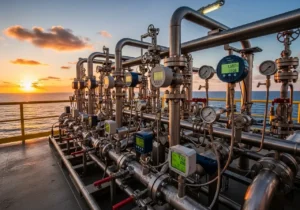
For organizations planning new facilities, equipment upgrades, or process improvements, early coordination of technical specifications, procurement requirements, and site activities can contribute to better project readiness and operational performance.
Planning an industrial project? Contact Phakarin Group to discuss your equipment requirements, technical specifications, and project needs.