The Complete Guide to the Oil and Gas Industry: Sectors, Trends, and Future Outlook
The oil and gas industry stands as a global economic powerhouse, generating hundreds of billions of dollars annually and employing hundreds of thousands of workers worldwide. Despite facing unprecedented challenges from renewable energy sources and environmental concerns, this sector remains integral to the global economy. This comprehensive guide explores the different sectors within Oil and Gas Industry, recent trends, and future projections that are shaping the petroleum landscape in 2025.
Understanding the Oil and Gas Sectors
The energy sector is traditionally divided into three key areas, each playing a crucial role in bringing petroleum products from discovery to consumer use.
Upstream: Exploration and Production
The upstream sector, often referred to as E&P (Exploration and Production), represents the beginning of the oil and gas journey. This sector involves:
- Searching for underwater and underground natural gas and crude oil fields
- Drilling exploration wells to locate potential resources
- Establishing production wells to recover discovered oil and gas
Upstream operations are inherently high-risk, high-reward endeavors, requiring significant capital investment and specialized technical expertise. Recent advancements in seismic imaging and drilling technologies have dramatically improved success rates in this sector.
Midstream: Transportation and Storage
Once resources are recovered, the midstream sector takes over, focusing on:
- Transportation of crude oil and natural gas from production sites to refineries
- Storage of petroleum products during transit
- Initial processing of raw materials
This sector utilizes various transportation methods including pipelines (the safest and most cost-effective option), tanker ships for overseas transport, rail systems, and trucking fleets. The midstream sector serves as the critical link between production and refining, often spanning vast geographical distances.
Downstream: Refining and Distribution
The downstream sector represents the final stage in the production process:
- Refining crude oil into usable products
- Purifying natural gas
- Marketing and distributing finished products to end users
This sector transforms raw materials into numerous commercial products including gasoline, diesel, jet fuel, heating oil, asphalt, lubricants, and petrochemicals for various industries.
Major Products and Global Impact
The oil and gas industry produces a vast array of products that extend far beyond simply providing energy. The largest volume products remain fuel oil and gasoline, but petroleum serves as the primary material for countless chemical products that touch nearly every aspect of modern life.
Beyond Fuels: Petroleum’s Reach
Petroleum derivatives are fundamental components in:
- Pharmaceuticals and medical supplies
- Fertilizers for agriculture
- Industrial and household solvents
- Plastics used in everything from packaging to electronics
- Construction materials
- Cosmetics and personal care products
This extensive reach makes the industry critical to numerous national economies. In regions housing major National Oil Companies (NOCs), these entities often contribute significantly to the national GDP, highlighting their economic importance.
Industry Recovery and Current State
After weathering significant challenges, including the price collapse in 2013 and environmental disasters like the Deepwater Horizon spill in 2014, the oil and gas sector has demonstrated remarkable resilience.
Factors Driving Recovery
Several key factors have contributed to Oil and Gas Industry’s recovery:
- Successful production restraint agreements between OPEC and non-OPEC nations
- Increased exploration and production efforts by developing nations including China, Brazil, and Russia
- Stabilization of crude oil prices around $50 per barrel
- Creation of approximately 100,000 new jobs in the sector
- Significant increase in active drilling rigs, particularly in the U.S.
The UK continental shelf has also shown promising signs of revival, with dozens of undeveloped discoveries potentially ready for exploration and improved outlook for upstream production.
Challenges and Threats
Despite its recovery, the oil and gas industry faces significant challenges that will shape its future trajectory.
Renewable Energy Competition
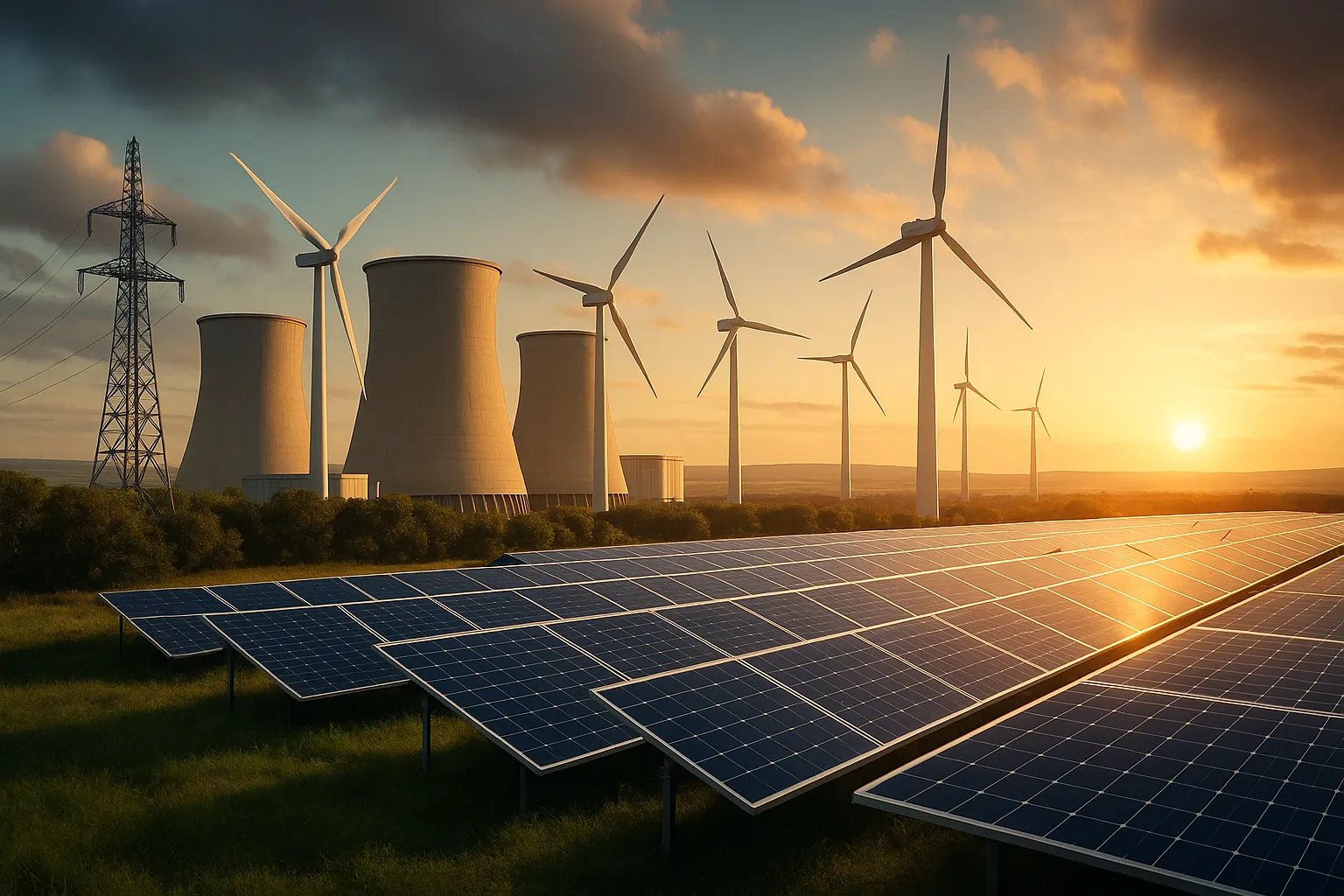
The trend toward renewable and alternative energy sources represents perhaps the most significant long-term threat to traditional oil and gas companies:
- Solar power systems and offshore wind are becoming increasingly cost-effective
- According to IRENA, over 80% of newly commissioned renewable energy is cheaper than new oil and natural gas sources
- Growing consumer preference for cleaner energy alternatives
Regulatory and Environmental Pressures
The industry faces intensifying scrutiny from several directions:
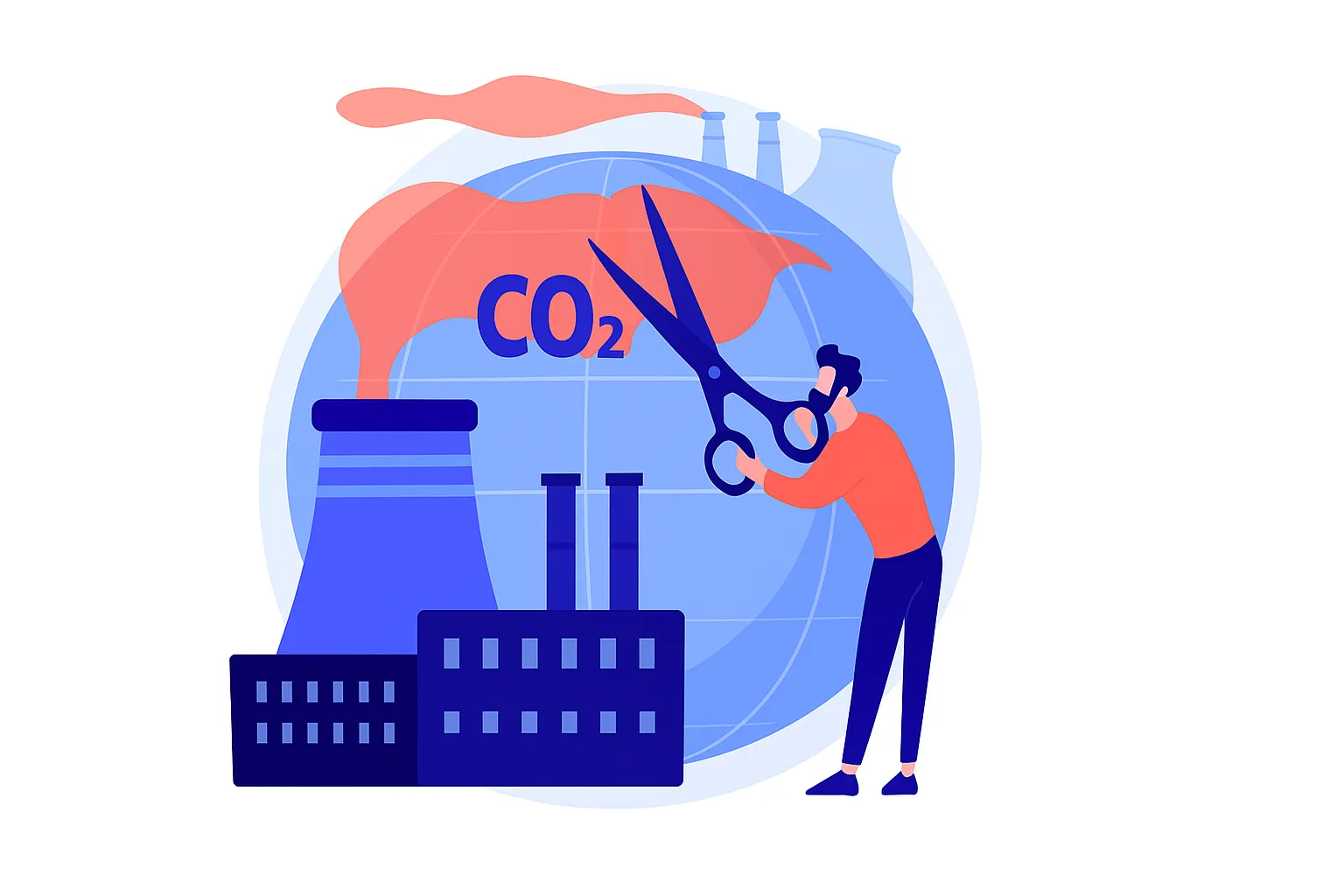
- Stricter environmental regulations and carbon emissions targets
- Increased governmental pressure for cleaner energy production
- Public concerns about climate change and environmental impacts
- Growing investor focus on ESG (Environmental, Social, and Governance) factors
Geopolitical Considerations
Oil and gas markets remain highly susceptible to geopolitical developments:
- Ongoing political and economic instability in major producing regions like Venezuela
- International sanctions affecting producers like Iran
- Organizational shifts such as Qatar’s exit from OPEC
- Trade tensions between major economies
Future Outlook and Opportunities
Despite these challenges, the Oil and Gas Industry continues to demonstrate resilience and adaptability. The world’s dependence on oil and gas remains substantial, with an estimated 30 billion barrels consumed globally each year.
Regional Consumption Patterns
Oil accounts for a significant percentage of energy consumption across all regions:
- 53% for the Middle East
- 44% for South America
- 41% for Africa
- 40% for North America
- 32% for Europe and Asia
These figures highlight the continued importance of petroleum products in the global energy mix, even as renewable alternatives gain ground.
Emerging Opportunities
Forward-thinking companies in the sector are finding new avenues for growth:
- Digital transformation initiatives including AI, machine learning, and digital twin technology
- Diversification into renewable energy production
- Development of carbon capture and storage technologies
- Focus on more sustainable extraction and production methods
- Exploration of previously untapped reserves using advanced technologies
Conclusion
The oil and gas industry remains a foundational element of the global economy despite facing unprecedented challenges. While renewable energy alternatives and environmental concerns create significant headwinds, the sector’s ability to adapt and evolve suggests it will continue to play a crucial role in the energy landscape for decades to come.
Companies that embrace technological innovation, sustainability practices, and diversification strategies will be best positioned to thrive in this evolving landscape. As the Oil and Gas Industry navigates the complex balance between meeting current energy demands and addressing environmental concerns, it will continue to transform in ways that may redefine its role in the global economy.
FAQ Section
What are the three main sectors of the oil and gas industry?
The three main sectors are upstream (exploration and production), midstream (transportation and storage), and downstream (refining and distribution). Each sector represents a different stage in the process of bringing petroleum products from discovery to consumer use.
How significant is the oil and gas industry to the global economy?
The oil and gas industry is considered the biggest sector in the world in terms of dollar value, employing hundreds of thousands of workers globally and generating hundreds of billions of dollars annually. In many regions, oil and gas companies contribute significantly to national GDP.
What are the main products derived from petroleum?
While fuel oil and gasoline are the largest volume products, petroleum is also the primary material for many chemical products including pharmaceuticals, fertilizers, solvents, plastics, and countless other products used across various industries.
How is the renewable energy trend affecting the oil and gas industry?
Renewable energy represents a significant challenge to traditional oil and gas companies, with solar and wind power becoming increasingly cost-effective. According to IRENA, over 80% of newly commissioned renewable energy is now cheaper than new oil and natural gas sources.
What is the current outlook for the oil and gas industry?
Despite challenges from renewable energy and environmental regulations, the industry is showing resilience. Crude oil prices have stabilized, job creation is increasing, and exploration activities are expanding, particularly in regions like the U.S. and UK continental shelf.