Transforming the Oil and Gas Industry: The Role of IoT in the Oil and Gas Industry in 2024
The oil and gas industry is undergoing a significant transformation, driven by the adoption of cutting-edge technologies aimed at enhancing efficiency, sustainability, and profitability. In 2024, the integration of the Internet of Things (IoT) and digital transformation strategies is set to revolutionize the sector, providing advanced solutions for real-time monitoring, predictive maintenance, and enhanced safety measures. This article delves into the key trends and technologies that are shaping the future of the oil and gas industry.
The Impact of IoT in the Oil and Gas Industry
The Internet of Things (IoT) is playing a pivotal role in revolutionizing the oil and gas industry by providing advanced solutions for real-time monitoring, predictive maintenance, and enhanced safety measures. IoT in the oil and gas industry involves the deployment of devices such as sensors and connected machinery that collect and transmit data to optimize operations, reduce downtime, and prevent costly equipment failures.
Real-Time Monitoring
Real-time monitoring through IoT in the oil and gas industry allows for continuous tracking of equipment performance and environmental conditions. Sensors placed on pipelines, wells, and other critical infrastructure collect data on pressure, temperature, and flow rates. This data is then transmitted to central control systems where it is analyzed in real-time. By monitoring these parameters, companies can quickly detect anomalies and address potential issues before they escalate into significant problems. This ensures smoother operations and reduces the risk of accidents, leading to increased operational efficiency.
Predictive Maintenance
Predictive maintenance is another critical application of IoT in the oil and gas industry. By analyzing data from IoT sensors, companies can predict when equipment is likely to fail and perform maintenance before a breakdown occurs. This approach not only reduces downtime but also extends the lifespan of equipment and lowers maintenance costs. Predictive maintenance strategies are helping companies to move from a reactive to a proactive maintenance model, resulting in increased efficiency and reliability. IoT in the oil and gas industry is crucial for maintaining operational integrity and reducing unexpected failures.

Digital Transformation in Oil and Gas
Digital transformation in the oil and gas industry is driven by a wide array of advanced technologies and practices. This evolution encompasses the adoption of cloud computing, artificial intelligence (AI), machine learning (ML), and advanced data analytics. These innovations are crucial in facilitating better decision-making, improving operational efficiency, and fostering innovation within the sector.
Cloud Computing and Data Analytics
Cloud computing offers scalable and flexible computing resources for the oil and gas industry, enabling the storage and processing of vast amounts of data. By leveraging cloud platforms, companies can perform advanced data analytics to gain deep insights into their operations. This helps in optimizing production processes, enhancing resource management, and improving overall operational efficiency. Cloud-based solutions also promote collaboration and information sharing across different departments and locations, fostering a more integrated and responsive organization. A key enabler in this context is the role of IoT in the oil and gas industry. IoT devices enhance cloud-based solutions by making data more accessible and actionable.
Artificial Intelligence and Machine Learning
AI and ML are revolutionizing operations within the oil and gas sector by enabling intelligent automation and data-driven decision-making. These technologies analyze complex data sets to identify patterns and make predictions. For instance, AI-powered systems can optimize drilling operations by analyzing geological data and recommending the best drilling locations. Machine learning algorithms can improve supply chain management by predicting demand and optimizing inventory levels. The application of AI and ML is leading to more efficient and cost-effective operations. The integration of IoT in the oil and gas industry further amplifies these AI and ML capabilities by providing a continuous stream of data for real-time analysis.
Enhancing Safety and Sustainability
Safety and sustainability are paramount concerns in the oil and gas industry. The integration of IoT and digital technologies is playing a crucial role in addressing these challenges.
Improved Safety Measures
IoT in the oil and gas industry enhances safety by providing real-time monitoring of hazardous conditions and enabling rapid response to emergencies. Sensors can detect leaks, spills, and other dangerous situations, triggering automatic shutdowns or alerts to personnel. Additionally, AI-powered analytics can assess safety risks and recommend preventive measures, reducing the likelihood of accidents and ensuring the safety of workers and the environment.
Environmental Sustainability
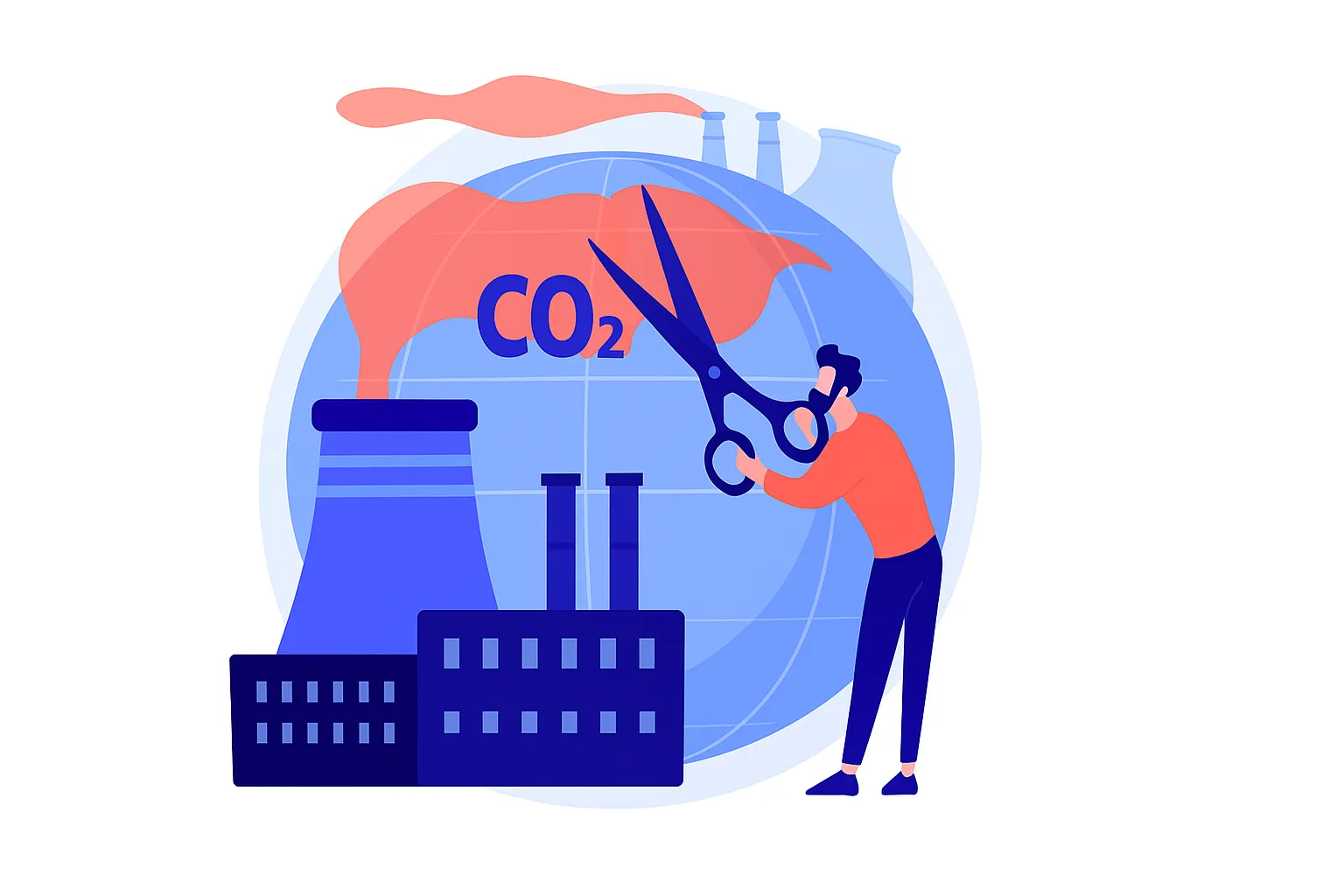
The oil and gas industry is under increasing pressure to reduce its environmental footprint. Digital technologies are helping companies to achieve sustainability goals by optimizing resource use and minimizing emissions. For instance, IoT in the oil and gas industry can monitor and control emissions from drilling operations, while AI-driven analytics can identify opportunities for energy efficiency improvements. By adopting these technologies, the industry can reduce its impact on the environment and contribute to global sustainability efforts.
Conclusion
The oil and gas industry is on the cusp of a digital revolution, driven by the adoption of IoT and digital transformation technologies. These advancements are enabling real-time monitoring, predictive maintenance, and enhanced safety measures, leading to more efficient and sustainable operations. As the industry continues to embrace these technologies in 2024 and beyond, it will be better equipped to navigate the challenges of the modern energy landscape and capitalize on new opportunities for growth and innovation.