The Automation Revolution
The oil and gas industry stands at the cusp of a technological revolution, driven by industrial automation. As global demand for energy grows, companies face mounting pressure to enhance efficiency, ensure safety, and reduce environmental impact. Automation is no longer a luxury but a necessity, transforming operations from exploration to refining. This article explores the future of industrial automation in the oil and gas sector, highlighting key technologies, benefits, challenges, and emerging trends.
Key Technologies Shaping the Future
Automation in oil and gas is powered by a suite of advanced technologies that optimize processes and enable data-driven decisions. Below are the cornerstones of this transformation:
Advanced Control Systems
Programmable Logic Controllers (PLCs), Distributed Control Systems (DCS), and Supervisory Control and Data Acquisition (SCADA) systems form the backbone of industrial automation. These systems enable real-time monitoring, precise control, and seamless integration of complex processes. For example, DCS systems manage entire refineries, ensuring optimal throughput while minimizing energy waste.
Internet of Things (IoT)
Internet of Things (IoT): IoT connects sensors, valves, and equipment, creating a network of smart devices that collect and analyze data in real time. In oil and gas, IoT enables predictive maintenance by detecting equipment wear before failures occur, reducing downtime by up to 30% in some cases, according to industry studies.
Artificial Intelligence (AI) and Machine Learning
AI and machine learning analyze vast datasets to optimize drilling, predict equipment failures, and detect anomalies. For instance, AI algorithms can adjust drilling parameters in real time, improving yield by 5-10%. Machine learning models also enhance reservoir management, maximizing extraction efficiency.
Robotics and Drones
Robotics and drones are revolutionizing inspection and maintenance. Drones equipped with thermal cameras inspect pipelines in remote areas, while robotic arms perform tasks in hazardous environments, reducing human exposure to risks. These technologies are already in use on offshore platforms, cutting inspection times by 50%.
Benefits of Automation in Oil and Gas
The adoption of automation delivers transformative benefits across the oil and gas value chain:
- Operational Efficiency: Automated systems streamline workflows, reducing downtime and optimizing resource use. For example, automated drilling rigs can operate 24/7, increasing output by 15% compared to manual systems.
- Safety Improvements: Automation minimizes human involvement in high-risk tasks, such as confined space inspections or high-pressure valve maintenance, significantly reducing accident rates.
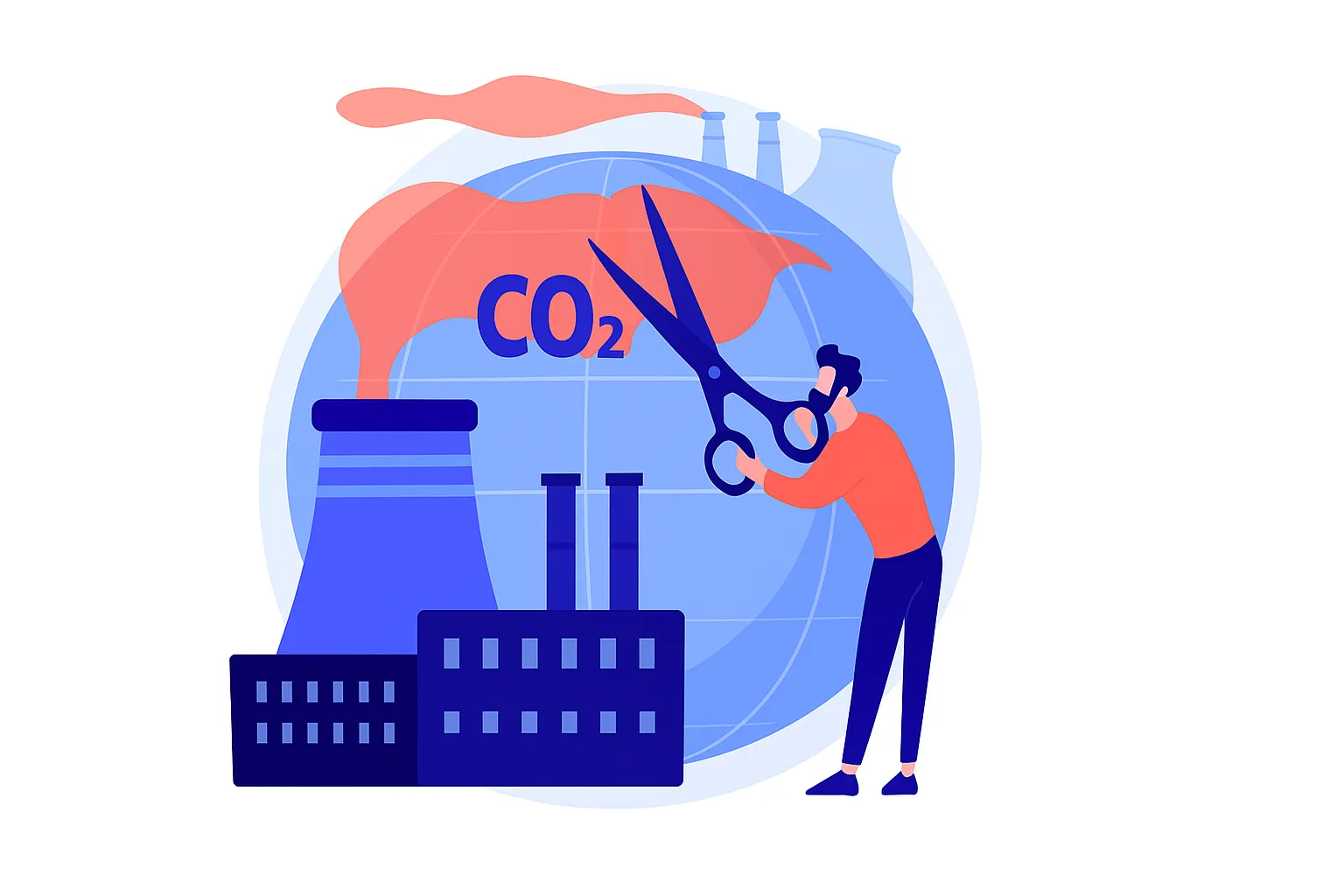
- Environmental Impact: Precise control systems lower emissions by optimizing fuel use and detecting leaks early. Automated flare gas recovery systems, for instance, can reduce CO2 emissions by thousands of tons annually.
- Cost Savings: Predictive maintenance and process optimization cut operational costs. A single avoided equipment failure can save millions, making automation a strong return on investment.
Challenges and Considerations
Despite its promise, automation faces hurdles that industry leaders must address:
- High Initial Costs: Deploying advanced systems requires significant upfront investment, often in the millions for large-scale projects. Smaller operators may struggle to justify the expense.
- Cybersecurity Risks: Connected systems are vulnerable to cyberattacks. A single breach could disrupt operations or compromise sensitive data, as seen in recent pipeline ransomware attacks.
- Workforce Reskilling: Automation demands new skills, from data analytics to robotics maintenance. Companies must invest in training to bridge the skills gap, with 40% of oil and gas workers needing reskilling by 2030, per industry reports.
The Road Ahead
The future of automation in oil and gas is bright, with several trends poised to reshape the industry:
- Fully Autonomous Rigs: By 2030, fully autonomous drilling rigs could become reality, using AI to optimize every stage of extraction with minimal human oversight.
- Digital Twins: Virtual models of physical assets, or digital twins, will enable real-time simulation and optimization. For example, a digital twin of a refinery can predict maintenance needs months in advance.
- Cloud-Based Automation: Cloud platforms will centralize data and enable scalable automation, allowing smaller firms to access enterprise-grade tools.
- Industry Standards: Standards like ISA-95 and IEC 62443 will ensure interoperability and security, fostering trust in automated systems.
Conclusion: Embracing the Future
Industrial automation is redefining the oil and gas industry, offering unparalleled efficiency, safety, and sustainability. As technologies like AI, IoT, and robotics mature, companies that embrace automation will gain a competitive edge in a rapidly evolving market. To stay ahead, industry professionals must explore