In the high-stakes environments of the oil, gas, and petrochemical industries, unplanned downtime is not just an inconvenience—it is a multi-million dollar liability. At the heart of process control systems, industrial valves regulate the flow, pressure, and direction of critical fluids. When they fail, the consequences range from minor production delays to catastrophic safety incidents and environmental breaches.
For decades, the industry relied on reactive or strictly time-based preventive maintenance.
Today, however, the paradigm has shifted. Predictive maintenance for industrial valves is emerging as the gold standard for asset management. By leveraging advanced instrumentation and real-time data, facility managers can anticipate failures before they occur, ensuring maximum uptime, safety, and operational efficiency.
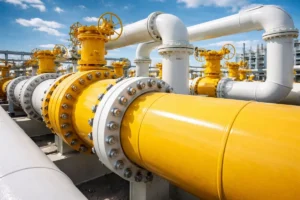
This comprehensive guide explores how smart instrumentation is transforming valve maintenance and provides actionable strategies to implement predictive maintenance (PdM) in your facility.
What is Predictive Maintenance in Industrial Instrumentation?
To understand the value of predictive maintenance, it is essential to contrast it with traditional approaches:
- Reactive Maintenance: Waiting for a valve to fail before repairing or replacing it. This is the most costly and dangerous approach.
- Preventive Maintenance: Performing scheduled maintenance at fixed intervals (e.g., every six months), regardless of the valve’s actual condition. This often leads to unnecessary part replacements and unplanned downtime during maintenance windows.
- Predictive Maintenance (PdM): Utilizing real-time data, sensor analytics, and condition monitoring to assess the actual health of an asset. Maintenance is performed only when needed, based on empirical evidence of degradation.
In the context of predictive maintenance in oil and gas, this means continuously monitoring valve performance metrics—such as stroke time, air supply pressure, and friction levels—to detect anomalies that indicate impending failure.
Key Technologies Driving Smart Valve Monitoring
The transition to predictive maintenance is powered by a suite of advanced technologies that provide unprecedented visibility into asset health.
Digital Valve Controllers (DVCs) and Smart Positioners
Modern control valves are increasingly equipped with digital valve controllers and smart positioners. Unlike traditional analog devices, these intelligent instruments continuously monitor the valve’s performance during every stroke. They can detect subtle changes in packing friction, actuator pressure, and calibration drift. For example, leading manufacturers provide advanced smart valve positioners and digital diagnostics that alert operators to mechanical wear long before a catastrophic failure occurs.
Acoustic Emission Testing for Leak Detection
Fugitive emissions are a major environmental and safety concern in petrochemical plants. Acoustic emission (AE) testing uses highly sensitive sensors to detect the high-frequency sound waves generated by fluid escaping through a leaking valve seat or packing. This non-intrusive method allows maintenance teams to pinpoint micro-leaks during normal operation without shutting down the process.
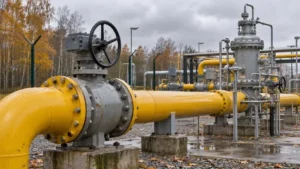
Vibration and Thermal Analysis
Mechanical degradation in valve actuators and stems often produces unique vibration signatures. By mounting wireless vibration sensors on critical valves, facilities can track bearing wear or misalignment. Similarly, thermal imaging can identify abnormal temperature gradients across a valve body, indicating internal leakage or insulation failure.
5 Actionable Strategies to Implement PdM for Valves
Transitioning to a predictive maintenance model requires a strategic, phased approach. Here are five proven strategies for reliability engineers and plant managers:
1. Establish a Baseline of Critical Assets
Not all valves require the same level of monitoring. Begin by conducting a criticality assessment. Identify the valves whose failure would result in safety hazards, environmental violations, or significant production loss. As a refresher on selecting the right hardware for these critical points, review the essential types and applications of industrial valves to ensure your baseline assets are fit for purpose.
2. Integrate IIoT Sensors for Continuous Data Collection
Retrofit existing critical valves with Industrial Internet of Things (IIoT) wireless sensors. These devices can monitor parameters like partial stroke test (PST) results, supply pressure, and ambient temperature, transmitting data securely to a centralized control system without requiring extensive new wiring.
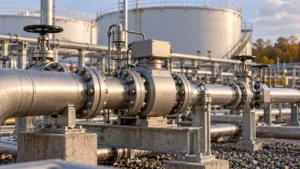
3. Leverage Data Analytics and AI for Anomaly Detection
Collecting data is only half the battle; interpreting it is where the value lies. Implement asset performance management (APM) software that uses machine learning algorithms to establish a “normal” operating baseline for each valve. The software can then flag deviations, such as a 5% increase in stroke time, triggering an automated work order.
4. Train Maintenance Teams on Diagnostic Interpretation
Technology is only as effective as the people using it. Invest in training your instrumentation and maintenance teams to interpret diagnostic reports from smart positioners and IIoT dashboards. Shifting the team’s mindset from “fixing broken things” to “analyzing health data” is crucial for long-term success.
5. Partner with Experienced Engineering Firms
Implementing a plant-wide predictive maintenance program is complex. It requires deep expertise in advanced automation solutions and system integration. Collaborating with a seasoned partner ensures that your technology stack is correctly specified, installed, and integrated with your existing Distributed Control System (DCS).
The ROI of Predictive Maintenance: Safety, Efficiency, and Compliance
The business case for petrochemical plant reliability through predictive maintenance is compelling. The return on investment (ROI) manifests in several key areas:
- Reduced Unplanned Downtime: By addressing issues during planned shutdowns, facilities can avoid the exorbitant costs of emergency production halts.
- Extended Asset Lifespan: Optimizing maintenance intervals prevents both premature wear (from neglect) and unnecessary wear (from over-maintenance), maximizing the lifecycle of expensive valve assemblies.

- Enhanced Safety and Environmental Compliance: Early detection of packing leaks or actuator failures prevents hazardous material releases, ensuring compliance with stringent environmental regulations and protecting personnel.
- Optimized Spare Parts Inventory: Knowing exactly which valves will need repair in the coming months allows procurement teams to order parts just-in-time, reducing capital tied up in warehouse inventory.
Partnering for Reliability with Phakarin Group
Navigating the complexities of industrial automation and asset reliability requires a partner with a proven global track record. Founded in 1992, Phakarin Group brings over 33 years of specialized experience in engineering, procurement, and maintenance for the oil, gas, and petrochemical industries.
With a presence across 18 countries and strategic alliances with global technology leaders like Yokogawa, ABB, Siemens, and Emerson, we provide end-to-end support. From the initial design and system integration to ongoing professional maintenance and overhaul services, Phakarin ensures your critical infrastructure operates at peak reliability and efficiency.
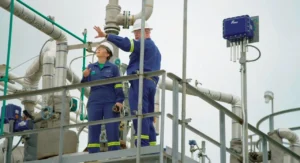
The era of guessing when an industrial valve might fail is over. By embracing predictive maintenance for industrial valves, facility operators can transform their maintenance departments from cost centers into strategic assets. Through the integration of smart instrumentation, data analytics, and expert engineering support, you can achieve unparalleled levels of safety, compliance, and operational efficiency.
Is your facility ready to eliminate unplanned downtime?
Contact the expert team at Phakarin Group today to discuss how our tailored automation and maintenance solutions can optimize your plant’s performance. Reach out to us here to schedule a consultation.


