Top 10 Oil and Gas Companies in 2025: Navigating the Energy Transition
Last Updated: May 13, 2025
Introduction: Top 10 Oil and Gas Companies at a Crossroads
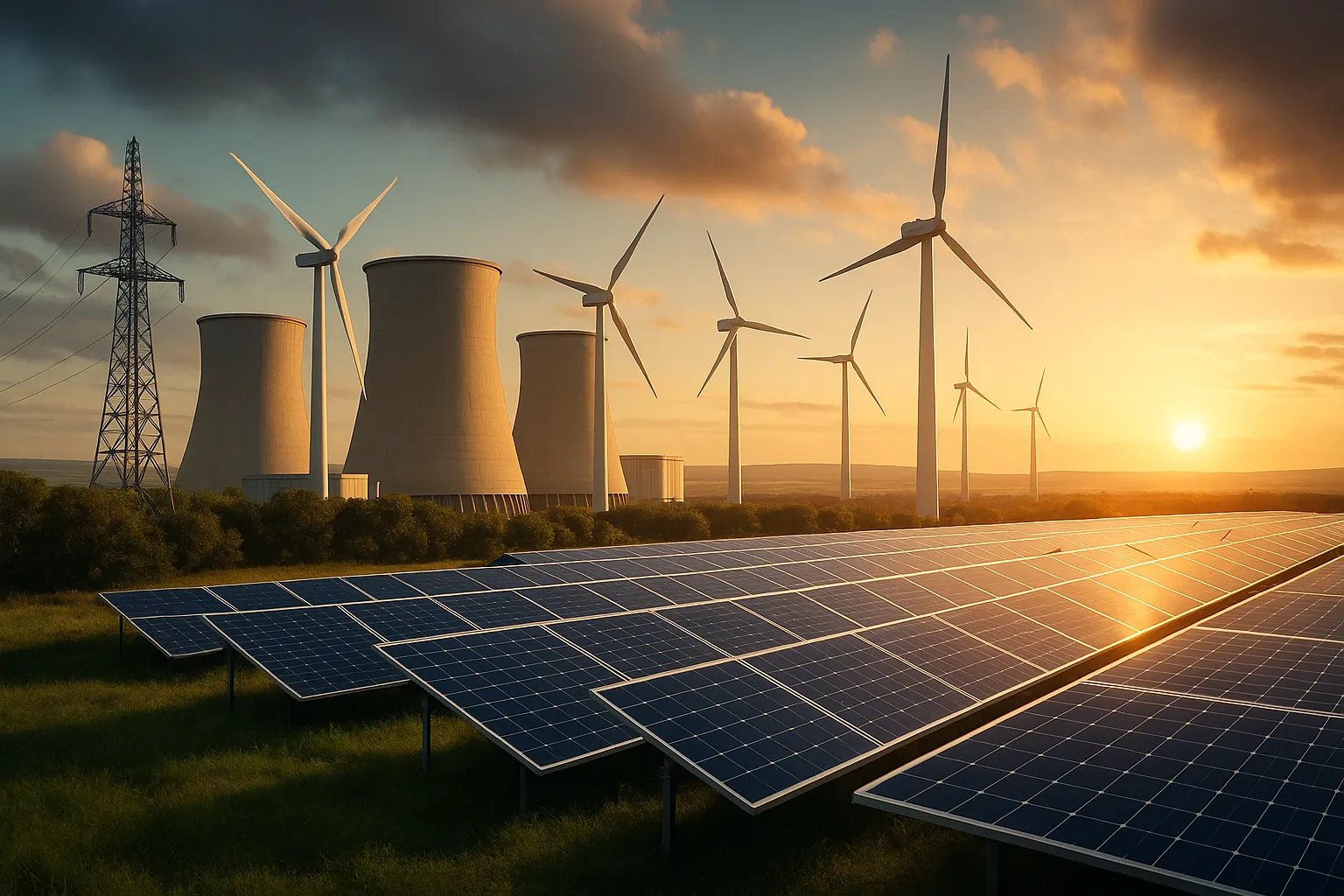
The global energy landscape is evolving at an unprecedented pace, placing the top 10 oil and gas companies at a critical junction. As climate concerns intensify and renewable energy gains momentum, these industry titans face mounting pressure to adapt their business models. How the top 10 oil and gas companies respond to the energy transition will ultimately determine whether they thrive or decline in the decades ahead.
This comprehensive analysis examines the top 10 oil and gas companies of 2025, analyzing their current strategies, sustainability initiatives, and future outlook as they navigate this transformative period. Understanding how these top 10 oil and gas companies position themselves today provides valuable insights into the future of global energy markets.
The Leading Oil and Gas Corporations of 2025: Top 10 Oil and Gas Companies
-
Saudi Aramco: The Global Petroleum Powerhouse
Saudi Aramco continues to dominate the global energy sector as one of the world’s most valuable companies. According to Forbes Global 2000, it stands as the third largest firm worldwide with impressive financial metrics:
- Sales: $489.1 billion
- Profit: $116.9 billion
- Assets: $661.5 billion
- Market Value: $1.91 trillion
Despite its commanding position, Saudi Aramco’s market cap has declined by 15.4% year over year as of January 2025. This downward trend raises questions about its long-term sustainability in a rapidly evolving energy landscape. If this decline continues, it could trigger significant ripple effects throughout the industry.
-
PetroChina: Asia’s Energy Giant
PetroChina operates within the Asia Pacific region, which dominated global oil supply in 2022 with 65.62 million terajoules (34.9% of the global share). With a market cap of $1.65 trillion and a 5.43% profit margin as of early 2025, the company maintains a strong market presence.
However, PetroChina faces financial scrutiny due to its 20% debt-to-equity ratio—higher than many industry competitors. This elevated debt level might actually signal growth potential, as the company has invested heavily in:
- Technical research and development
- Expansion programs
- Niche market opportunities
These strategic investments could position PetroChina for significant growth in specialized energy markets as the industry evolves.
-
CNOOC: Navigating Geopolitical Challenges
China National Offshore Oil Corporation (CNOOC) primarily focuses on offshore operations in China while maintaining significant international projects. In late 2024, the company made headlines by selling some of its U.S. assets to INEOS in a $2 billion deal, reportedly driven by concerns over potential Western sanctions.
Increasing geopolitical tensions have reportedly prompted CNOOC to consider exiting operations in:
- United States
- Canada
- Britain
This strategic repositioning could create new opportunities for other players in these markets while allowing CNOOC to focus on regions with fewer political complications.
-
Exxon Mobil: Production Giant Facing Sustainability Challenges
As one of the largest public oil and gas entities, Exxon Mobil produces approximately 2.5 million barrels of crude oil and other liquids daily. The company reached a significant milestone in 2023 when its liquid production hit its highest daily average since 2008. However, its natural gas production has declined by 40% between 2011 and 2023.
Exxon Mobil’s sustainability record remains a concern for investors and environmental advocates:
- Since 1965, the company has produced 40 billion metric tons of carbon dioxide equivalent (CO2e)
- Its 2023 emissions totaled 111 million metric tons (a 12.59% decrease from 2013)
- The company has shown limited focus on alternative energy development
This environmental performance, coupled with minimal diversification into renewable energy, raises questions about Exxon Mobil’s preparedness for a decarbonizing world.
-
Shell: Retreating from Renewable Commitments
Shell once positioned itself as a leader in the energy transition, pledging to become the world’s largest electricity company. However, recent years have seen the company significantly scale back these ambitions.
The multinational has:
- Weakened its carbon reduction targets
- Withdrawn investments from offshore wind projects
- Limited its renewable energy spending
In Q3 2024, Shell reported investments in renewables of approximately $409 million—just 8.2% of its $4.950 trillion expenditure. This retreat from earlier climate commitments has disappointed environmental advocates who once viewed Shell as a potential leader in industry transformation.
-
Chevron: Betting on AI and Data Technology
Chevron has embraced emerging technologies to maintain its position as a major player in the oil and gas sector. CEO Mike Wirth has emphasized the importance of the Permian Basin in meeting rising electricity demand driven by artificial intelligence’s “insatiable demand for reliable electricity.”
Rather than viewing AI solely as an energy consumer, Chevron’s leadership sees technological innovation as a key asset. Justin Lo, Chevron’s head of data science and analytics, has indicated that the company is actively leveraging AI to optimize carbon capture technologies—creating a potential pathway to improve sustainability while maintaining core business operations.
-
ConocoPhillips: Alaska’s Willow Project Gamble
As Alaska’s largest crude oil producer, ConocoPhillips has staked much of its future on the controversial Willow Project in the state’s 23-million-acre National Petroleum Reserve. This massive drilling initiative is projected to:
- Produce approximately 600 million barrels of oil
- Operate for more than three decades
- Generate tens of billions in revenue
- Create thousands of jobs
However, environmental groups have voiced significant concerns about the project’s potential climate impact and effects on the Arctic ecosystem. The ultimate outcome of this project—both regulatory and environmental—will likely play a decisive role in shaping ConocoPhillips’ future trajectory.
-
TotalEnergies: Strategic Positioning for Peak Oil
TotalEnergies has adopted a forward-looking strategy based on its prediction that global oil demand will peak after 2030. This forecast is driven by:
- Growing global population
- Insufficient power grid investments
- Continuing energy access challenges in developing economies
By making strategic investments in diverse energy production capabilities now, TotalEnergies aims to secure its position as a market leader when this projected demand peak materializes. This balanced approach to the energy transition may provide the company with greater adaptability than some of its competitors.

-
BP: Short-Term Gains vs. Long-Term Sustainability
BP made headlines when CEO Murray Auchincloss scaled back the company’s ambitious energy transition strategy to reassure investors. The company’s initial target of reducing oil and gas output by 40% by 2030 was significantly reduced to 25% in 2023.
This pivot toward short-term financial returns over broader energy transition goals has:
- Stabilized the company’s immediate financial outlook
- Pleased traditional energy investors
- Raised questions about long-term sustainability
This strategic reversal may secure BP’s position for the immediate future, but potentially at the cost of its long-term standing as an industry leader if the energy transition accelerates.
-
Marathon Petroleum Corp.: Refining Giant with an Uncertain Future
Marathon Petroleum Corp. has established itself as one of the dominant refiners in the United States—ranked by the U.S. Energy Information Administration as the third-largest refiner by petroleum administration for defense district region.
Despite this market dominance, the company faces significant uncertainties:
- Project completion challenges acknowledged in its 2023 annual report
- Growing concerns over downstream greenhouse gas emissions
- Increasingly negative public perception of the fossil fuel industry
These factors create substantial headwinds for Marathon as it attempts to chart a course through the energy transition.
The Future of the Top 10 Oil and Gas Companies: Adapt or Decline
The coming years will be definitive for the top 10 oil and gas companies. Organizations that successfully balance current production with meaningful investments in decarbonization and alternative energy sources will likely emerge as the leaders of tomorrow. Conversely, those among the top 10 oil and gas companies that cling exclusively to traditional business models may find themselves increasingly marginalized as energy markets evolve.
Several key factors will determine which of these top 10 oil and gas companies thrive:
- Investment allocation between fossil fuels and low-carbon alternatives
- Technological innovation in carbon capture and sustainable operations
- Strategic foresight regarding peak oil demand timing
- Regulatory adaptation to increasingly stringent environmental policies
- Public perception management in an increasingly climate-conscious world
As the global energy transition accelerates, these top 10 oil and gas companies find themselves at a pivotal moment. Their current decisions and investments will shape not only their individual futures but also the broader trajectory of global energy markets for decades to come. Industry observers and investors are closely monitoring how each of the top 10 oil and gas companies adapts to this changing landscape.
FAQ: Top 10 Oil and Gas Companies in 2025
Which oil company has the highest market value in 2025?
Saudi Aramco maintains the highest market value among Top 10 Oil and Gas Companies in 2025, with a market value of approximately $1.91 trillion, though this represents a 15.4% decline year over year.
How are major oil companies responding to the energy transition?
Responses vary widely—companies like TotalEnergies are actively investing in diverse energy production, while others like BP and Shell have scaled back initial ambitious transition plans to focus on core oil and gas operations.
Which regions dominate global oil supply?
The Asia Pacific region leads global oil supply, accounting for 34.9% of the global share (65.62 million terajoules) as of 2022, with companies like PetroChina and CNOOC playing major roles.
Are major oil companies investing significantly in renewable energy?
Investment levels vary dramatically. Some companies allocate less than 10% of their capital expenditure to renewables (Shell reported just 8.2% in Q3 2024), while others claim more substantial commitments to alternative energy sources.
What factors will determine which of the top 10 oil and gas companies survive the energy transition?
Key factors include investment allocation between traditional and alternative energy sources, technological innovation, strategic planning for peak oil demand, regulatory compliance capabilities, and public perception management. Those among the top 10 oil and gas companies that strategically balance these factors will likely maintain their industry leadership.
How are geopolitical tensions affecting global oil companies?
Geopolitical challenges are significantly impacting operations, as evidenced by CNOOC’s reported consideration of exiting Western markets like the U.S., Canada, and Britain due to concerns over potential sanctions.
When is global oil demand expected to peak?
Companies like TotalEnergies project that oil demand will peak after 2030, driven by population growth, insufficient power grid investments, and ongoing energy access challenges in developing economies.
This article provides an analysis of the top 10 oil and gas companies as of early 2025. Market conditions and company strategies are subject to change as the energy transition continues to evolve. For the latest updates on how the top 10 oil and gas companies are adapting to industry challenges, subscribe to our newsletter.