Fracking in Oil and Gas Production: Balancing Energy Needs with Environmental Responsibility
Last Updated: May 13, 2025
Introduction: The Fracking in Oil and Gas Production Dilemma
The debate over fracking in oil and gas production represents one of the most contentious energy issues of our time. On one side, supporters champion hydraulic fracturing as a revolutionary technique that has dramatically boosted domestic energy production and reduced America’s dependence on foreign oil. On the other, environmental advocates warn about potential long-term consequences of fracking in oil and gas production for our water, air, and climate.
Recent data from a 2024 Pew Research Center survey reveals just how divided Americans are on this issue, with 44% supporting additional hydraulic fracturing for oil and gas production, while 53% oppose it. This split underscores the complex challenge facing policymakers, energy companies, and communities across the nation.
Is it possible to harness the economic and energy security benefits of fracking in oil and gas production while adequately protecting our environment? This article explores the intricacies of fracking in oil and gas production, examining both its potential and its pitfalls in the quest for a balanced approach to meeting our energy needs.
Understanding the Fracking in Oil and Gas Production Process
What Exactly Is Fracking in Oil and Gas Production?
Hydraulic fracturing, commonly known as “fracking,” is a sophisticated extraction method used to access previously unreachable oil and natural gas reserves trapped in shale rock formations deep underground. To fully understand the environmental and energy implications of fracking in oil and gas production, it’s essential to break down the process into its key components:
The Step-by-Step Fracking Process
- Drilling Stage: The process begins with drilling a deep vertical well, often extending thousands of feet below the surface to reach shale deposits. Once the desired depth is achieved, the drilling frequently continues horizontally through the shale layer.
- Casing Installation: Steel pipes (casings) are inserted into the wellbore and cemented in place. This critical infrastructure serves two vital purposes: providing structural stability to prevent well collapse and creating a barrier that helps protect surrounding soil and groundwater from contamination.
- Hydraulic Fracturing: Once the cement sets, the actual “fracking” begins. A specialized fluid mixture—typically consisting of water (90%), sand (9-10%), and chemical additives (0.5-1.5%)—is injected into the well at extremely high pressure. This immense pressure creates small fractures in the shale rock, while the sand particles (called “proppant”) keep these cracks open.
- Resource Extraction: The newly created pathways allow the trapped oil and natural gas to flow more freely toward the well, where they can be brought to the surface for collection and processing.
- Flowback Recovery: After the fracturing process, some of the injected fluid returns to the surface as “flowback.” This recovered liquid must be properly collected, treated, and either reused or disposed of according to environmental regulations.
Understanding this process provides context for both the economic advantages and environmental concerns associated with fracking in oil and gas production.
Environmental Concerns and Industry Solutions in Fracking in Oil and Gas Production
Addressing the Environmental Impact of Fracking in Oil and Gas Production
While fracking in oil and gas production has revolutionized energy production in the United States, it has also raised legitimate environmental concerns. Many communities worry about potential contamination of water supplies, increased earthquake activity, and the acceleration of climate change through methane emissions. Let’s examine these concerns and how the industry is working to address them:
Water Usage and Protection
Fracking operations require enormous volumes of water—typically 1.5 to 16 million gallons per well. In regions already facing water scarcity, this intensive usage can strain local resources. Additionally, concerns exist about potential groundwater contamination from both the fracking chemicals and naturally occurring substances released during the process.
Industry Solutions:
- Implementation of water recycling and treatment systems that allow flowback water to be reused in subsequent fracking operations
- Development of fracturing fluids with fewer or less toxic chemical additives
- Enhanced well casing designs and more rigorous integrity testing to prevent leakage
Air Quality and Greenhouse Gas Emissions
Methane, a greenhouse gas significantly more potent than carbon dioxide in the short term, can leak during various stages of fracking operations. These emissions, along with other volatile organic compounds released during the process, raise concerns about both local air quality and broader climate impacts.
Industry Solutions:
- Transition from diesel-powered equipment to electric fracking equipment, reducing on-site emissions
- Implementation of advanced AI monitoring systems that detect methane leaks early, allowing for prompt mitigation
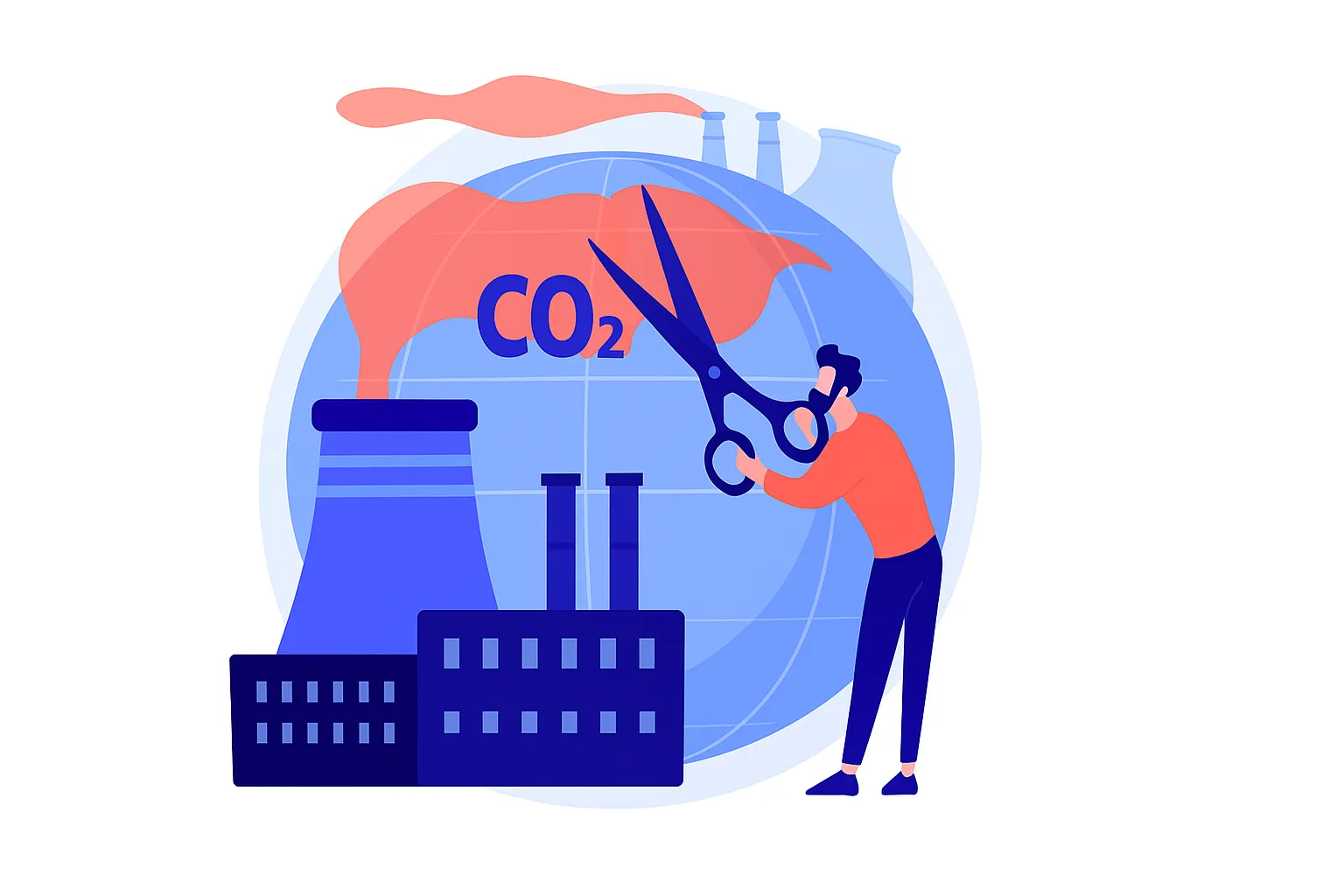
- Adoption of various carbon capture and storage methods to reduce the climate impact of operations
- Regular equipment inspections and maintenance to minimize fugitive emissions
Seismic Activity
Some regions have experienced increased earthquake activity following the initiation of fracking operations or the associated deep-well injection of wastewater. These induced seismic events, while typically minor, have raised concerns about property damage and safety in affected communities.
Industry Solutions:
- Development of more sophisticated seismic monitoring networks
- Implementation of “traffic light” systems that modify or halt operations based on detected seismic activity
- Research into alternative wastewater disposal methods that minimize seismic risks
While these industry efforts represent significant progress, many environmental advocates argue that they remain insufficient or inconsistently implemented across different operations and regions.
Regulatory Landscape for Fracking Operations
The Role of Government Oversight
The regulatory framework governing fracking in oil and gas production in the United States operates across multiple levels of government, creating a complex patchwork of rules that vary significantly by location. This variability underscores the ongoing debate about the appropriate balance between energy development and environmental protection.
Federal Regulations
At the national level, several key regulations impact fracking operations:
- Environmental Protection Agency (EPA): Sets standards for methane emissions and oversees aspects of water protection under the Clean Water Act and Safe Drinking Water Act
- Clean Air Act: Regulates air pollutants emitted during fracking operations
- Bureau of Land Management (BLM): Oversees fracking operations on federal and tribal lands
State and Local Oversight
States have implemented varying approaches to fracking regulation, reflecting regional differences in geology, water resources, and political climate:
- Comprehensive Bans: States including Vermont, New York, Washington, Maryland, and Oregon have implemented outright bans on fracking
- Disclosure Requirements: Many states require companies to disclose the chemicals used in their fracking fluids, though often with exemptions for “trade secrets”
- Well Construction Standards: State-specific regulations frequently mandate concrete barriers between wellbores and waterways, along with regular pressure testing
- Setback Requirements: Rules establishing minimum distances between wells and sensitive areas like schools, homes, and water sources
The variation in these regulations highlights the difficulty in establishing consistent environmental protections while allowing for regional flexibility in energy development.
Weighing the Pros and Cons of Fracking
The Benefits of Hydraulic Fracturing
Fracking in oil and gas production has delivered several significant advantages that explain its rapid adoption across much of the United States:
Economic and Energy Security Benefits
- Increased Domestic Production: Fracking has helped boost U.S. oil production by over 80% since 2008, dramatically reducing reliance on imported energy
- Lower Energy Costs: Enhanced natural gas production has contributed to lower electricity prices for consumers and businesses
- Job Creation: The fracking industry has generated hundreds of thousands of direct and indirect jobs, particularly in rural areas
- Tax Revenue: Local and state governments have benefited from increased tax receipts from fracking operations
Environmental Advantages Compared to Other Fossil Fuels
- Cleaner Burning Than Coal: Natural gas produces approximately half the carbon dioxide emissions of coal when burned for electricity
- Reduced Air Pollutants: Lower levels of sulfur dioxide, particulates, and mercury compared to coal-fired power generation
- Bridge Fuel Potential: Natural gas can serve as a transitional energy source while renewable capacity continues to develop
The Drawbacks of Hydraulic Fracturing
Despite these benefits, fracking in oil and gas production faces substantial criticism for several significant drawbacks:
Environmental Concerns
- Water Consumption: The massive water requirements can strain local resources, particularly in drought-prone regions
- Potential Water Contamination: Risks to surface and groundwater from chemical additives, flowback, and naturally occurring substances
- Methane Leakage: Fugitive emissions throughout the production process can offset some of the climate benefits compared to coal
- Induced Seismicity: Increased earthquake activity in some regions with extensive fracking operations
Community Impacts
- Infrastructure Strain: Rapid development can overwhelm local roads, housing, and public services
- Noise and Air Pollution: Operations can create significant noise and release volatile organic compounds affecting local air quality
- Property Value Concerns: Some studies suggest proximity to fracking operations may reduce residential property values
- Boom-Bust Economic Cycles: Communities heavily dependent on fracking can experience economic instability
The contrasting advantages and disadvantages illuminate why fracking remains such a divisive issue, with the balance of benefits and costs often varying significantly based on local conditions and implementation practices.
The Future of Fracking in a Changing Energy Landscape
Technological Innovations and Market Forces
The future of fracking in oil and gas production will be shaped by both evolving technologies and shifting market demands. Several key trends are likely to influence its trajectory:
Technological Advancements
- Precision Drilling: Enhanced techniques that reduce the environmental footprint while improving resource recovery
- Green Completion Technologies: Advanced systems that capture nearly all emissions during the completion phase
- Water-Free Fracking: Development of alternatives using propane gel, carbon dioxide, or nitrogen foam instead of water
- Real-Time Monitoring: Sophisticated sensor networks that detect environmental issues immediately, allowing for prompt mitigation
Market and Policy Shifts
- Renewable Energy Competition: Increasingly cost-competitive solar and wind power may reduce natural gas demand for electricity generation
- Electrification Trends: Growing electric vehicle adoption could eventually impact oil demand
- Carbon Pricing Mechanisms: Potential carbon taxes or cap-and-trade systems would affect the economics of all fossil fuel production
- Investor Pressure: Rising ESG (Environmental, Social, Governance) expectations from investors may push companies toward cleaner operations
These factors suggest that while fracking is likely to remain an important part of the energy mix for years to come, its growth trajectory and operational practices will continue to evolve in response to environmental concerns, regulatory changes, and market dynamics.
Conclusion: Finding the Balance
The debate over fracking in oil and gas production reflects broader tensions in our society’s approach to energy and environmental policy. The challenge lies not in choosing between absolute positions but in finding practical ways to maximize benefits while minimizing harms.
Moving forward, several approaches may help strike this balance in fracking in oil and gas production:
- Rigorous, Evidence-Based Regulation: Establishing strong baseline standards while allowing for regional flexibility based on local conditions
- Continuous Technological Improvement: Investing in research and development to reduce environmental impacts while maintaining economic viability
- Transparent Monitoring and Reporting: Building public trust through comprehensive disclosure of operations, chemicals, and impacts
- Inclusive Stakeholder Engagement: Ensuring communities have meaningful input in decisions affecting their local environment
- Comprehensive Planning: Viewing fracking as one component of a broader energy strategy that includes efficiency improvements and renewable development
By approaching fracking in oil and gas production with nuance rather than ideology, we can work toward an energy future that serves both human needs and environmental responsibilities. The path forward requires ongoing dialogue, scientific inquiry, and a commitment to balancing today’s energy demands with tomorrow’s environmental imperatives.
FAQ: Fracking in Oil and Gas Production
What chemicals are typically used in fracking in oil and gas production fluid?
Fracking fluid generally contains water (90%), sand or proppant (9-10%), and chemical additives (0.5-1.5%). These chemicals include friction reducers, biocides to prevent bacterial growth, scale inhibitors, and acids to help initiate fractures. While many companies now disclose their chemical formulations, some still claim trade secret protections for certain components.
Can fracking cause tap water to become flammable?
In rare cases where natural gas has migrated into water supplies, tap water may become flammable. However, proper well casing and construction significantly reduce this risk. Studies have found that when contamination occurs, it’s often due to surface spills or faulty well casings rather than the fracking process itself. Baseline water testing before operations begin is crucial for identifying pre-existing conditions versus fracking-related changes.
How much water does a typical fracking operation use?
A single fracking operation typically requires between 1.5 million to 16 million gallons of water, depending on the well depth, length, and geological formation. This intensive water usage has raised concerns in water-stressed regions, though the industry has made significant progress in water recycling technologies that allow flowback water to be treated and reused in subsequent operations.
Does fracking cause earthquakes?
Research indicates that most induced seismic activity associated with oil and gas development is linked not to the fracking process itself but to the deep-well injection of wastewater from operations. However, in some geological settings, the hydraulic fracturing process can directly trigger small earthquakes. Monitoring systems and “traffic light” protocols help manage this risk by adjusting or halting operations when seismic activity is detected.
How does natural gas from fracking compare to coal in terms of emissions?
When burned for electricity generation, natural gas produces approximately 50-60% less carbon dioxide than coal. However, this advantage can be partially offset by methane leakage during production, processing, and transportation, as methane is a much more potent greenhouse gas in the short term. The net climate benefit depends on keeping these “fugitive emissions” below about 3.2% of total production, according to current scientific estimates.
What percentage of U.S. oil and natural gas comes from fracking?
As of 2025, approximately 63% of U.S. crude oil production and 75% of natural gas production comes from hydraulically fractured wells. This represents a dramatic increase from just two decades ago, demonstrating how fundamentally fracking has transformed America’s energy landscape and global position as an energy producer.
How do renewable energy costs compare to natural gas from fracking?
Renewable energy costs have fallen dramatically, with utility-scale solar and wind now competitive with or cheaper than natural gas in many markets when considering new electricity generation. However, natural gas plants still offer advantages in terms of dispatch flexibility and baseload power that some renewable sources currently lack without storage. The economic comparison continues to evolve as both technologies advance and as more regions implement carbon pricing mechanisms.
Join our environmental policy newsletter to stay informed about the latest developments in fracking regulations, technologies, and best practices as the energy industry continues to evolve. Subscribe today for quarterly insights delivered directly to your inbox.
This article provides an analysis of fracking in oil and gas production as of May 2025. Regulations, technologies, and market conditions continue to evolve rapidly in this sector. For the latest developments in fracking in oil and gas production, subscribe to our energy policy newsletter.