Industrial Equipment Selection : 7 Critical Operating Conditions
industrial equipment selection is a critical engineering decision that affects operational reliability, maintenance requirements, energy consumption, and long-term project costs. In industries such as oil and gas, petrochemicals, power generation, and water treatment, equipment must perform reliably under specific process conditions rather than simply meet general product specifications.
A product may appear suitable based on its catalog data but fail to deliver the expected performance when exposed to actual operating pressures, temperature variations, fluid properties, or environmental conditions.
This is why industrial equipment selection should begin with a detailed understanding of the operating environment.
For engineers, project managers, procurement specialists, and EPC contractors, evaluating operating conditions before sourcing equipment helps identify technical limitations, reduce compatibility risks, and improve purchasing decisions.
In this guide, we examine seven critical operating conditions that should be evaluated before selecting equipment for industrial applications.
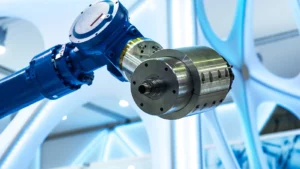
Why Operating Conditions Matter in Industrial Equipment Selection
Industrial equipment is designed to operate within defined technical limits. These limits may include pressure, temperature, flow rate, mechanical loading, electrical characteristics, and environmental exposure.
When actual conditions fall outside the equipment’s intended operating range, several problems can occur:
- Premature component wear or mechanical failure
- Reduced measurement accuracy or process performance
- Excessive energy consumption
- Increased maintenance requirements
- Compatibility issues with existing systems
- Unexpected downtime and replacement costs
The consequences depend on the equipment type and application. A pressure transmitter, centrifugal pump, control valve, and electric motor have different operating limitations, but all require appropriate application-based evaluation.
Effective equipment selection therefore requires more than comparing brands, prices, or nominal specifications. It requires understanding how the equipment will perform under real operating conditions.
1. Operating Pressure
Pressure is one of the first parameters to establish during industrial equipment selection.
Equipment used in process plants may experience normal operating pressure, maximum operating pressure, temporary pressure surges, or pressure fluctuations during startup and shutdown.
The selected equipment must be suitable for the applicable pressure conditions throughout its intended operating range.
For example, when selecting a pressure transmitter, engineers should distinguish between the normal measurement range and the maximum pressure the instrument can safely withstand.
For pumps and valves, pressure requirements may also influence body construction, sealing arrangements, connection ratings, and material selection.
Before finalizing a specification, consider:
- Normal and maximum operating pressure
- Potential pressure surges
- Startup and shutdown conditions
- Required design pressure and applicable code requirements
- Pressure rating of connected piping and components
Engineering consideration: The maximum pressure rating alone does not establish suitability. The equipment must also meet the process requirements and applicable design standards.
2. Operating Temperature
Temperature directly affects material properties, sealing performance, lubrication, electronics, and measurement accuracy.
Equipment designed for ambient-temperature service may not be suitable for applications involving elevated process temperatures or significant temperature fluctuations.
For example, a temperature transmitter used in a petrochemical process must be compatible with the expected process temperature and the selected sensor assembly. Similarly, pump seals and valve materials must withstand the thermal conditions specified for the application.
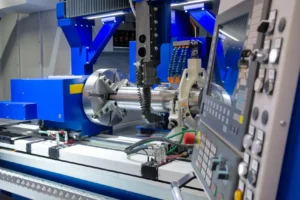
Low-temperature environments also require attention because some materials can become more brittle, while lubricants and elastomers may behave differently.
When evaluating temperature requirements, engineers should identify:
- Minimum and maximum process temperatures
- Normal operating temperature
- Ambient temperature range
- Temperature changes during transient operating conditions
- Thermal expansion and material compatibility
- Temperature limitations of seals, electronics, and accessories
Temperature should be evaluated together with pressure and fluid properties because these parameters can interact and influence equipment performance.
3. Fluid Properties and Process Media
The fluid or material handled by the industrial equipment is another essential factor.
Different fluids can create significantly different mechanical, chemical, and operational demands. Water, crude oil, natural gas, corrosive chemicals, and abrasive slurries cannot be treated as interchangeable process media.
For liquid-handling equipment, viscosity can influence pump performance, pressure losses, and flow behavior. Corrosive fluids may require specific wetted materials, while suspended solids can increase erosion or blockage risks.
Instrumentation also depends on fluid characteristics. For example, electromagnetic flow meters require sufficient electrical conductivity, while the suitability of a Coriolis flow meter depends on the fluid, flow conditions, and instrument design.
A proper evaluation should include:
- Fluid composition and concentration
- Density and viscosity
- Corrosiveness and chemical compatibility
- Presence of suspended solids or abrasive particles
- Potential for scaling, crystallization, or fouling
- Gas content or multiphase flow conditions, where relevant
Why this matters: A technically advanced product is not automatically suitable for every process. The measurement principle, construction materials, and operating limitations must match the actual application.
4. Flow Rate and Required Operating Range
Flow requirements are particularly important when selecting pumps, flow meters, control valves, and other process equipment.
A device may perform well near its preferred operating point but become inefficient or unstable when required to operate outside its intended range.
For a centrifugal pump, operating too far from its preferred operating region can contribute to vibration, increased mechanical loading, reduced efficiency, or other reliability problems.
For a flow meter, the minimum and maximum flow rates influence measurement performance, turndown, and instrument sizing.
For a control valve, engineers must consider both the required flow capacity and the valve’s ability to regulate flow under the expected pressure conditions.
The selection process should establish:
- Minimum, normal, and maximum flow rates
- Expected variation in process demand
- Required control range
- Pressure drop or available differential pressure
- Required accuracy or control performance
- Potential startup, shutdown, or emergency operating scenarios
Correct sizing helps avoid selecting equipment that is unnecessarily large, undersized, or poorly matched to the process.
5. Environmental and Installation Conditions
Equipment performance depends not only on the process itself but also on the environment in which the equipment is installed.
Industrial facilities may expose equipment to humidity, dust, vibration, corrosive atmospheres, outdoor weather, or hazardous-area conditions.
An instrument installed inside a controlled equipment room may require different protection from one installed outdoors near a coastal process unit.
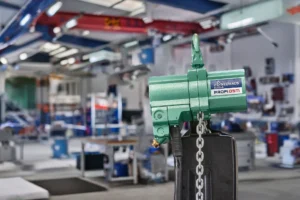
Electrical and electronic equipment may need an appropriate enclosure rating, temperature range, and hazardous-area certification. Mechanical equipment may require additional consideration of foundations, alignment, vibration, and access for maintenance.
Before selecting equipment, assess:
- Indoor or outdoor installation
- Ambient temperature and humidity
- Dust, moisture, and corrosive exposure
- External vibration and mechanical loading
- Available installation space
- Electrical supply and connection requirements
- Hazardous-area classification and applicable certifications
Installation constraints should be identified early. Discovering them after procurement can lead to redesign, additional costs, and project delays.
6. Material Compatibility and Service Life
Material selection affects equipment durability, safety, maintenance requirements, and compatibility with the process.
For equipment in contact with aggressive fluids, the materials used for housings, wetted components, seals, gaskets, and internal parts must be appropriate for the operating conditions.
However, selecting a material based on corrosion resistance alone may not be sufficient. Pressure, temperature, mechanical loading, fluid concentration, and the possibility of erosion must also be considered.
For example, a material that performs well in one chemical environment may be unsuitable in another, even when both applications operate at similar temperatures.
Material selection should account for:
- Chemical compatibility with the process medium
- Pressure and temperature limits
- Corrosion and erosion mechanisms
- Seal and gasket compatibility
- Applicable material standards
- Expected service life and maintenance strategy
Where necessary, engineers should consult manufacturer documentation, material compatibility data, and qualified technical specialists before approving the equipment.
7. Control System and Equipment Compatibility
Industrial equipment rarely operates in isolation. Pumps, valves, transmitters, analyzers, and other devices often form part of a larger process control or automation system.
Selecting a suitable individual component does not guarantee that it will integrate correctly with the existing installation.
For example, a pressure transmitter may meet the process requirements but lack the required communication protocol. A control valve may have adequate flow capacity but require a different actuator or control signal than the installed system supports.
These issues can affect commissioning, maintenance, and long-term operational reliability.
Before procurement, confirm:
- Required electrical and signal interfaces
- Communication protocols and control system compatibility
- Power supply and wiring requirements
- Mechanical and process connection dimensions
- Instrument configuration and diagnostic requirements
- Applicable safety and functional requirements
- Documentation, testing, and commissioning expectations
For projects involving PLC, DCS, SCADA, or other automation systems, early coordination between instrumentation, electrical, mechanical, and control engineering teams helps reduce integration problems.
From Technical Specifications to Effective Procurement
Once the operating conditions have been defined, the next step is translating them into clear technical and commercial procurement requirements.
A complete equipment specification should identify the required operating range, materials, connections, applicable standards, performance criteria, documentation, and inspection requirements.
Procurement teams can then evaluate suppliers against a consistent technical baseline rather than comparing quotations based primarily on price.
A structured evaluation process may include:
Technical compliance: Confirm that the offered equipment meets the specified operating and performance requirements.
Supplier capability: Evaluate the manufacturer’s technical expertise, product documentation, quality processes, and ability to meet the required specifications.
Commercial evaluation: Compare price, lead time, warranty terms, delivery conditions, and other relevant commercial factors.
Lifecycle considerations: Assess maintenance requirements, spare parts availability, serviceability, and expected operating costs.
Documentation and delivery: Confirm that the required drawings, certificates, manuals, inspection records, and other project documents can be supplied.
This approach connects engineering requirements with procurement decisions and helps prevent technically unsuitable products from progressing through the purchasing process.
For more information, explore Phakarin’s industrial procurement and supply chain solutions.
Common Equipment Selection Mistakes to Avoid
Even experienced project teams can encounter avoidable problems when equipment selection is not sufficiently connected to actual operating conditions.
Selecting Equipment Based on Price Alone
A lower purchase price does not necessarily represent a lower total cost. Installation requirements, energy consumption, maintenance, spare parts, and premature replacement can significantly affect lifecycle costs.
Relying Only on Catalog Specifications
Catalog values are useful for initial screening, but the final selection must consider the complete application and the manufacturer’s specified operating limitations.

Overlooking Transient Conditions
Startup, shutdown, pressure surges, temperature changes, and temporary changes in flow can create demands that are not reflected in normal operating values.
Ignoring Existing System Interfaces
Mechanical fit, electrical compatibility, communication protocols, and control requirements should be checked before the equipment is ordered.
Incomplete Technical Documentation
Missing or ambiguous specifications can lead to inconsistent quotations, incorrect assumptions, and delays during technical evaluation.
Avoiding these mistakes requires cooperation between engineering, procurement, operations, and suppliers from the early stages of the project.
Start With the Application, Not the Product
Successful industrial equipment selection begins with a clear understanding of how the equipment will operate in its intended environment.
Pressure, temperature, fluid properties, flow rate, environmental exposure, material compatibility, and system integration all influence whether a product is suitable for a specific application.
By evaluating these factors before procurement, industrial companies can make better-informed decisions, reduce avoidable compatibility risks, and improve the reliability of their equipment and systems.
At Phakarin Global, engineering understanding and procurement coordination are important parts of supporting industrial customers across demanding operating environments. Our services span industrial procurement, instrumentation, automation, system integration, maintenance, and related project requirements.
Whether sourcing a single component or coordinating equipment requirements for a larger industrial project, the starting point should remain the same: understand the operating conditions, define the technical requirements, and select equipment that fits the application.
Need support with industrial equipment sourcing or technical requirements?
Contact Phakarin Global to discuss your project requirements and explore suitable procurement and engineering solutions.